
Keeping Your Outdoor Patio Warm (Without the Headaches)
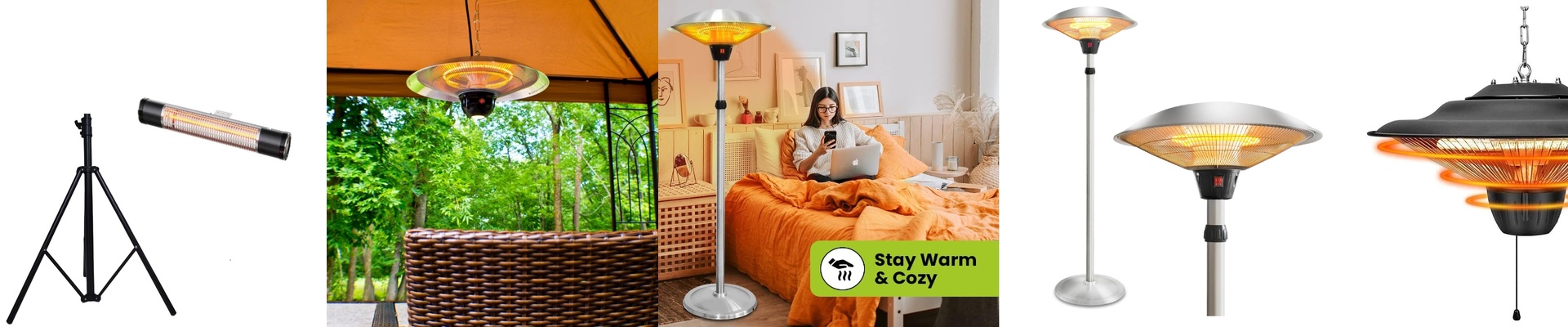
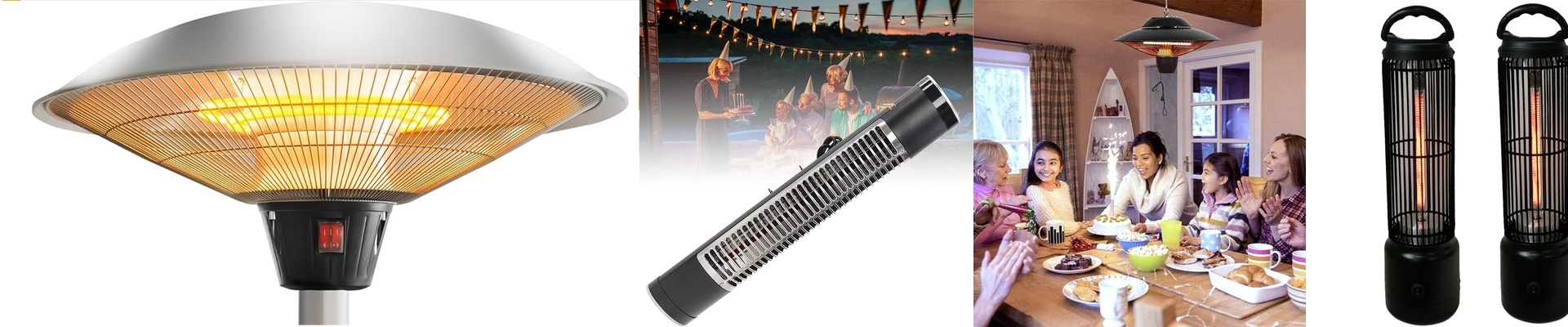
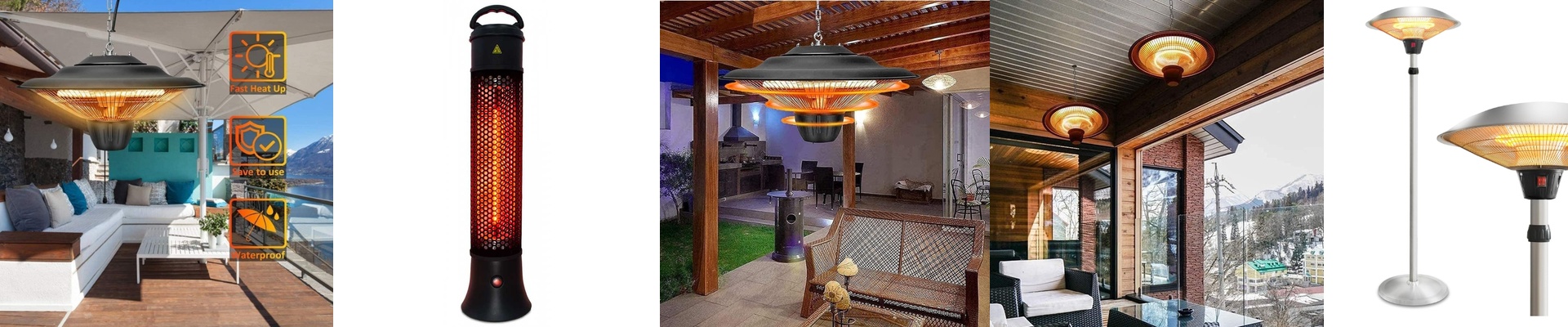
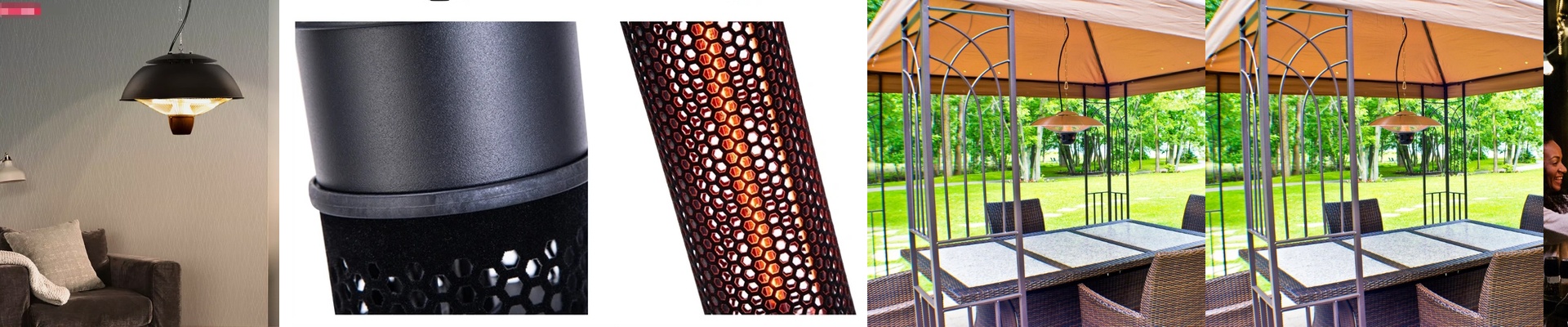
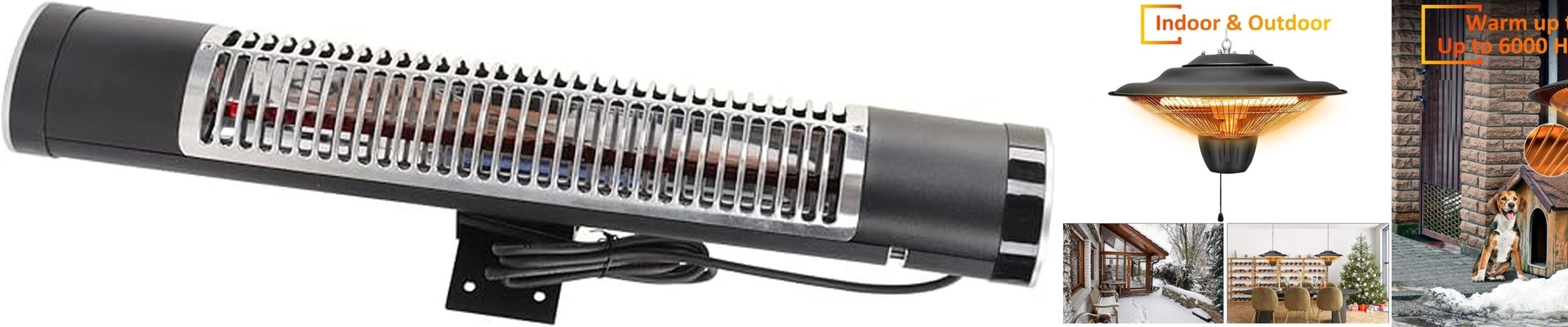
If you’ve ever run a nightclub patio or a dressing area, you know the struggle. You’ve got people standing in the open air, and the wind just rips the warmth right off their skin. It’s frustrating. That’s why we lean on short-wave infrared. Most heaters try to warm up the air, but in a breeze, that air just blows away. Infrared is different. It beams heat directly onto people and objects. It’s that feeling of stepping into a patch of sunlight on a freezing day—you feel it instantly. Getting the heat right To get that high-end, cozy feel, you can’t skimp on the power. We use high-density elements that kick in the second you flip the switch. Because the wavelength is so short, the heat actually travels further. This is great for you because it means you can mount the heaters higher up where they’re out of the way, but your guests still feel the glow. Dealing with the elements Let’s be honest: outdoor patios are brutal. Between the rain, the humidity, and the inevitable spilled drinks, your gear takes a beating. You can’t just throw a lamp in a box and call it a day. If a drop of cold water hits a scorching hot quartz tube, that glass is going to crack. It’s called thermal shock, and it’s a nightmare. We use corrosion-resistant casings and tight gaskets to keep the moisture out, along with shields that block the rain but let the heat slide right through. A few things to watch out for Here’s the thing: these heaters are power-hungry. If you try to hook up ten 2000W units to one circuit, you’re going to trip the breaker the moment the crowd hits. It’s a disaster waiting to happen. We always suggest dedicated circuits for each zone just to keep things stable. And one last tip? Watch the glare. High-intensity IR can be blinding if you aren’t careful. We use reflectors to push the heat down toward the floor, but you still want to position them so your guests aren’t staring straight into a lightbulb all night.