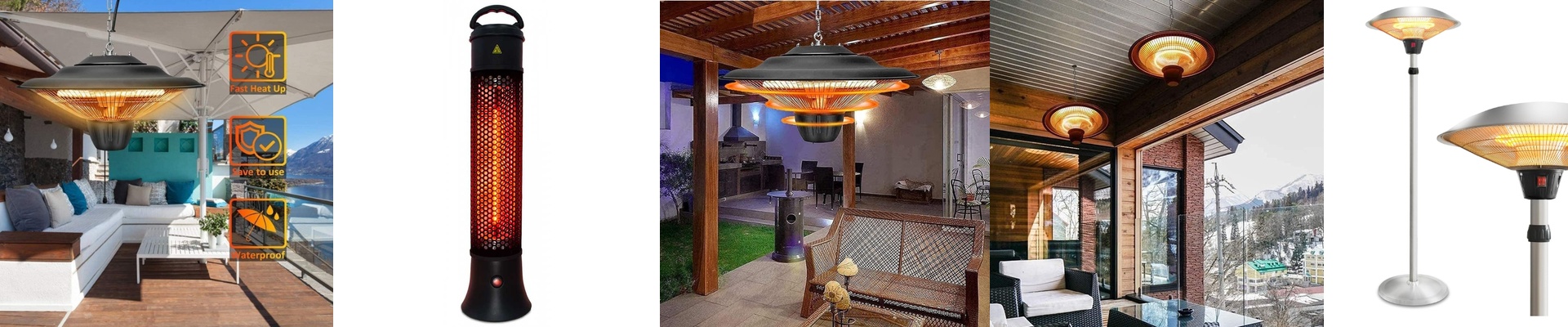

Why Your Heater Won’t Blow Up in a Steam Room
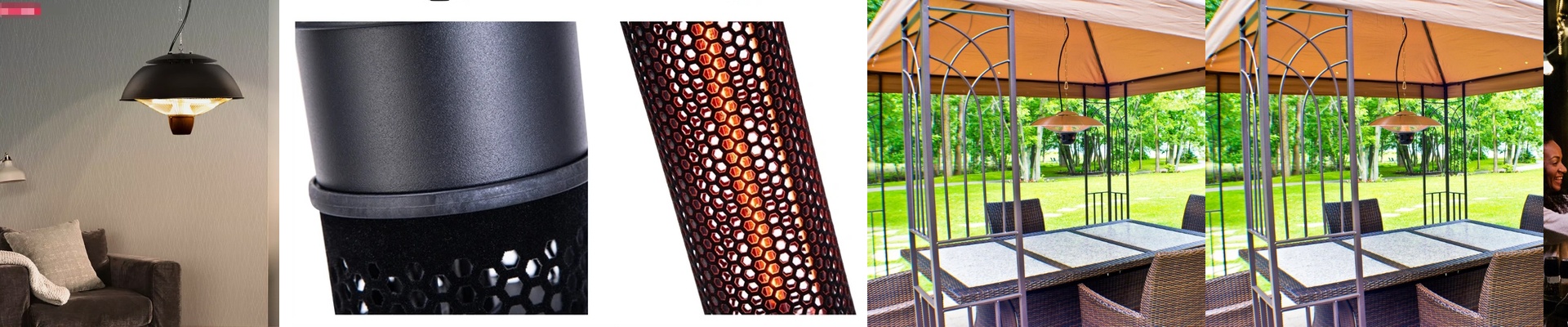
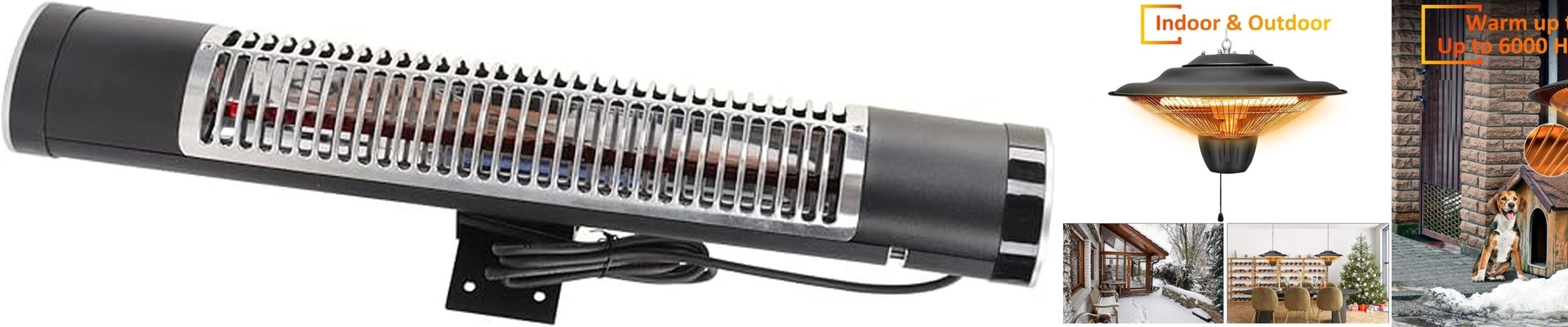
Putting a heater in a shower or a high-humidity spot is a risky game. You aren’t just dealing with the cold—you’re fighting a constant battle against moisture and electrical arcs. That’s why we stick with IP55 housings and explosion-proof quartz tubes. It’s about stopping a disaster before it even starts. The truth about quartz tubes Standard quartz is temperamental. If a single drop of cold water hits that red-hot surface, it cracks. We call that thermal shock, but in the real world, it’s just a broken heater. We use explosion-proof quartz because it has a reinforced wall and a safety film. If the inner tube actually fails, the outer layer catches the fragments. It keeps the heating filament from touching the water, which means a simple crack doesn’t turn into a total electrical meltdown. Keeping the wet stuff out Then there’s the IP55 rating. In plain English? It means the unit can handle dust and water jets hitting it from any angle. But we don’t just slap some sealant on the edges and call it a day. We use heavy-duty gaskets and specific cable glands to keep steam away from the wiring. Here’s the thing: water vapor conducts electricity. If it sneaks into your junction box, you’ll get tracking, and eventually, the whole thing burns out. The IP55 shell keeps the guts of the machine dry, even when it’s being blasted with steam. The catch Now, there is a trade-off. These heaters pack a lot of heat into a small space, and that IP55 housing traps some of that warmth around the internal wires. Because of that, you can’t just use any old wire. You need a gauge rated for higher temperatures. If you go too thin or use cheap insulation, it’ll degrade over time—even if the waterproof shell is doing its job perfectly. We build these things to actually last in wet zones. You get a part you can just drop in, knowing it’ll handle the humidity without tripping your breakers every other day.