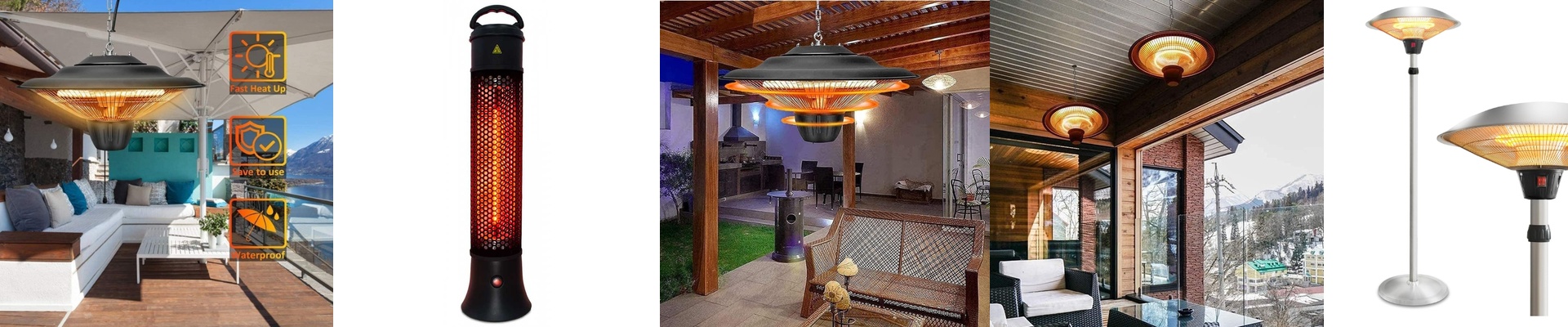

Making Your Workshop Heaters Actually Smart
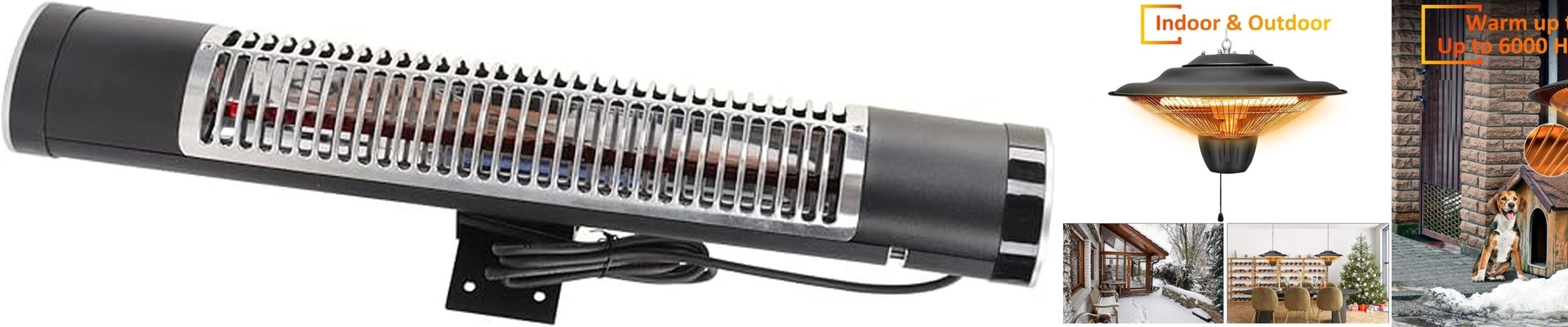
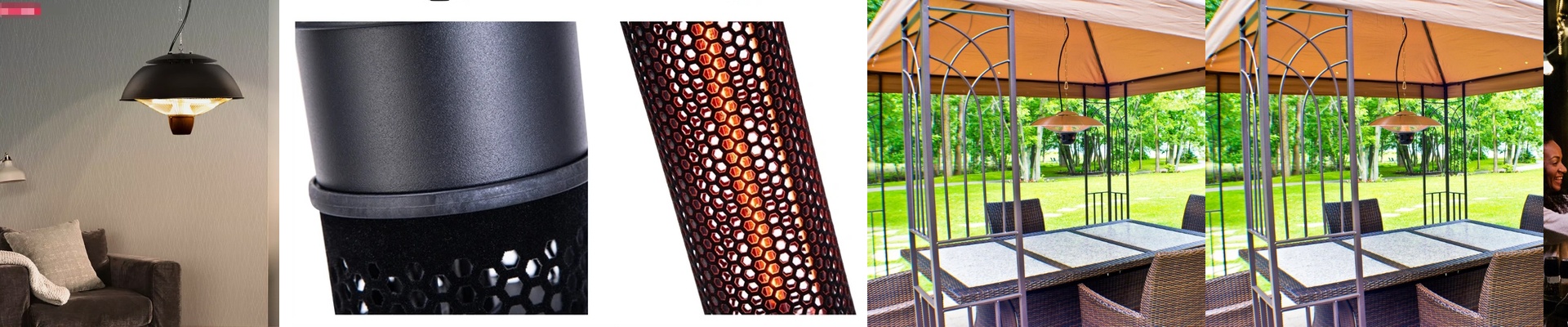
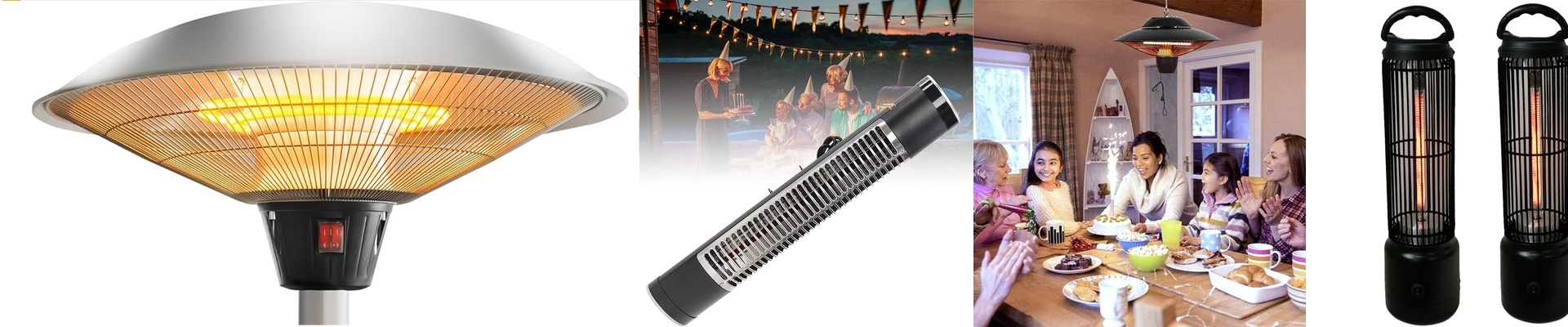
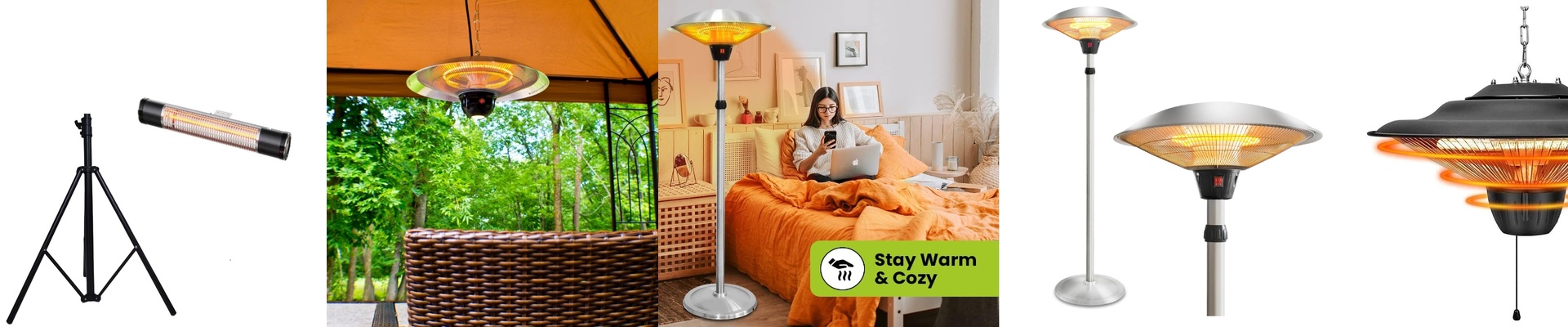
If you’ve ever stepped into a freezing workshop in January, you know the pain. You flip on the heat, and then you wait. And wait. By the time the air actually feels warm, you’ve already spent an hour shivering just to get your tools ready. That’s why infrared ceiling heaters are such a win. They don’t bother trying to warm up the entire room—which is basically like trying to heat the outdoors if you have a drafty garage. Instead, they beam heat straight down onto you and your workbench. It’s instant.
The Magic of “Right Now” Heat
Most of these setups use short or medium-wave emitters. In plain English? They get hot in seconds. If you throw a smart relay or a Zigbee controller into the mix, you can basically turn your heater into a “one-click” operation. No more cranking a boiler and hoping for the best. You hit a button on your phone or a switch by the door, and you feel the warmth on your shoulders immediately. It just makes the whole morning flow better.
Getting the Tech Right
Now, you could just use a basic on/off switch, but that’s a bit clunky. I prefer using PWM or SCR controllers to dial in the power. It gives you way more control. Plus, when you link these to sensors, the system can just… handle itself. When the shop hits a certain chill, the heaters kick in automatically. The best part is zoning. You don’t need to blast the whole ceiling. You can just target the area where you actually spend your time—like right over the lathe or the assembly table. Your electric bill will thank you.
A Few Things to Watch Out For
It’s not all plug-and-play, though. You’ve got to be careful with your electrical panel. Industrial infrared lamps pull a lot of power, so make sure your relays are beefy enough to handle the load. If you go too cheap, you’ll end up with welded contacts and a dead system. And here is a pro tip:Watch where you put your sensors. Since infrared heat is directional, it creates “hot zones” and “cold spots.” If you tuck your sensor in a cold corner, it’ll think the room is freezing and keep the heaters running full blast. Meanwhile, you’re standing right under the beam getting cooked. Put the sensor exactly where you’ll be standing. It makes a world of difference.