
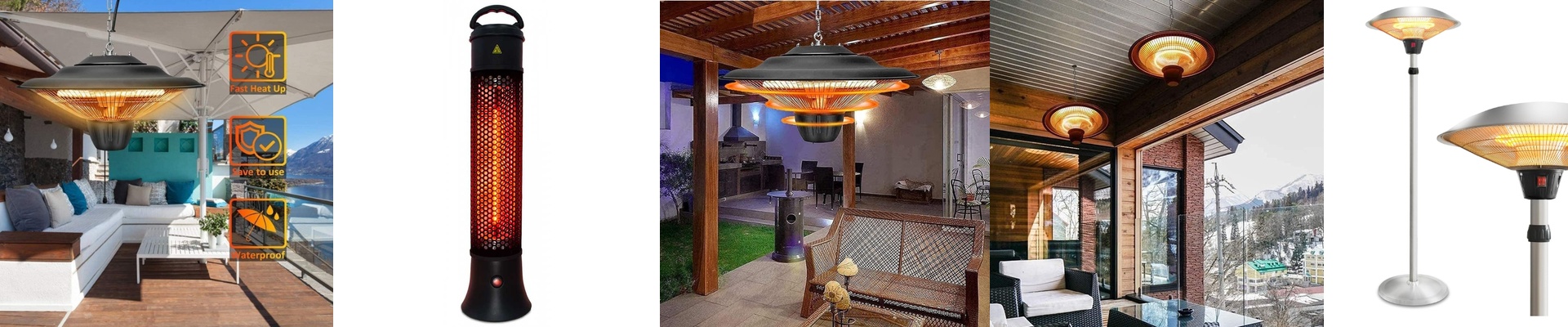
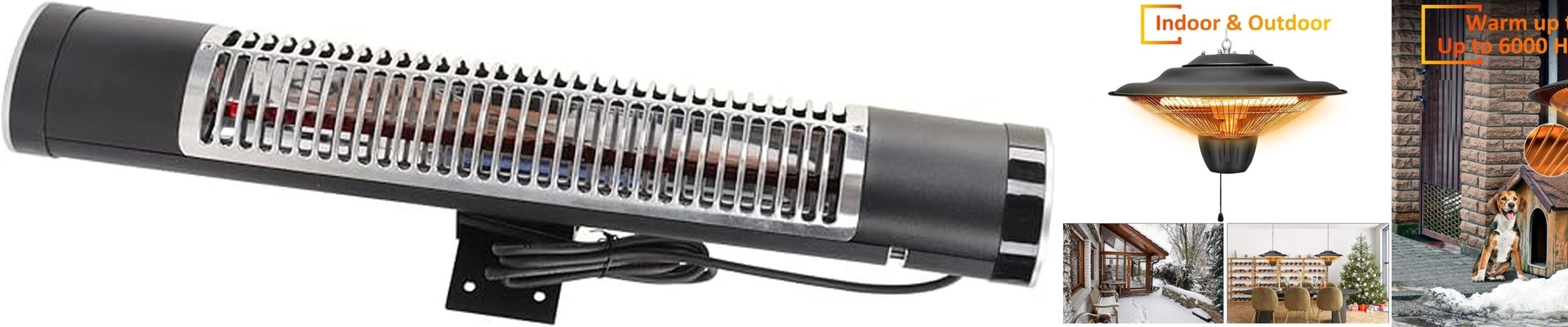
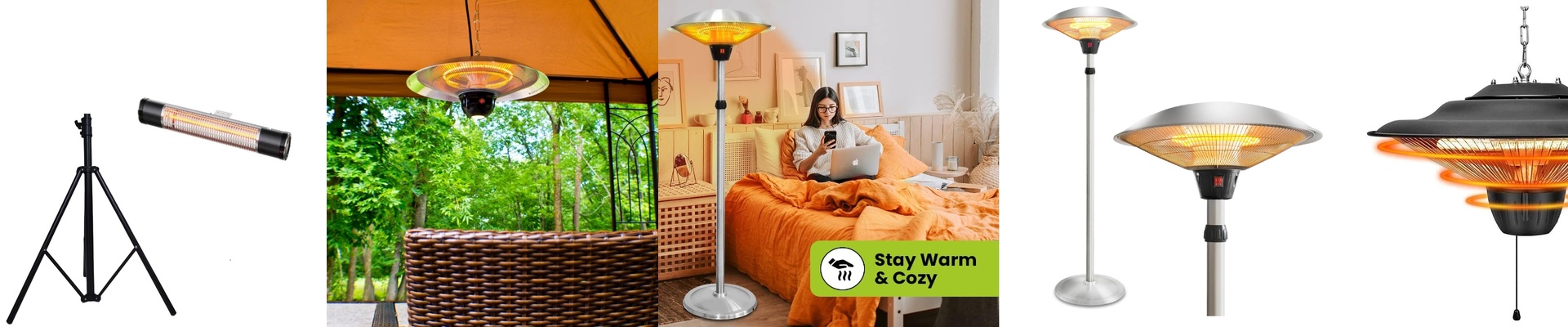
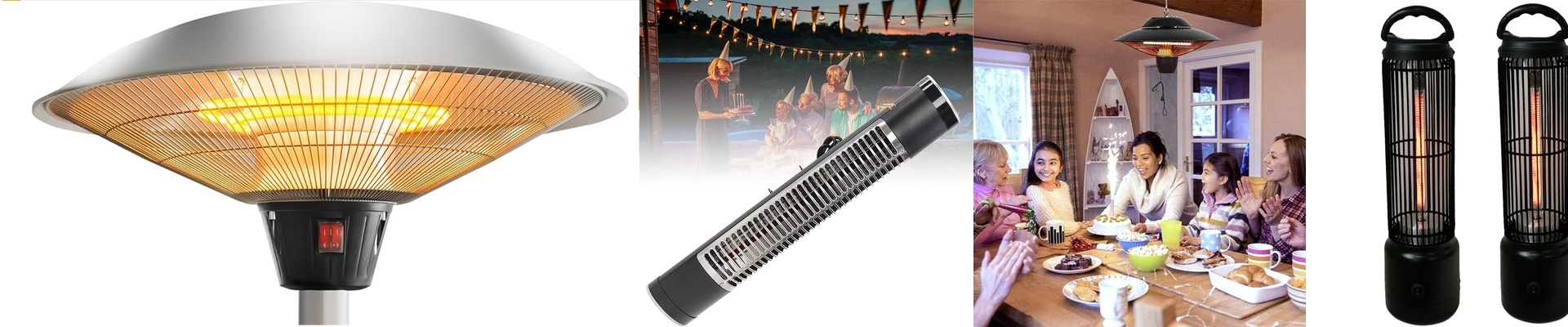

Keeping Your Outdoor Heaters Alive: The Truth About IP55
Let’s be honest: the outdoors is a nightmare for electronics. Between the sudden rainstorms and the dust that seems to get into everything, outdoor infrared heaters are basically fighting a losing battle from the moment you hang them up. That’s why we obsess over the IP55 rating.
What IP55 actually means for you
Forget the technical manuals for a second. Here is the real-world version: the first ‘5’ keeps the dust out of the guts of the machine. The second ‘5’ means if a rainstorm hits—or if your staff is hosing down the patio and accidentally blasts the heater—the thing isn’t going to short out and die. It’s basically a shield. It means you can actually relax instead of worrying if a little weather is going to fry your investment.
Dealing with splashes and fog
Water and red-hot heating elements don’t get along. When a drop of water hits a scorching quartz tube, it can crack the glass or burn out the filament instantly. It’s called thermal shock, and it’s a fast way to kill a heater. To stop that, we use sealed gaskets and tucked-away housing. We basically build a “roof” over the electrical junctions to push the water away. Then there’s the fog. If moisture pools on the reflector, you get these weird “hot spots” that warp the metal over time. We’ve tweaked the vents to keep the air moving, which stops condensation from settling. It keeps the internals dry and makes the whole unit last way longer.
The catch (because there’s always one)
Here’s the thing: when you seal a unit tight to keep water out, the heat has a harder time escaping. It gets hot in there. Really hot. Because of that, you can’t just cram the heater into a tight, dead-air corner. You need to give it some breathing room. If there’s no airflow, the thermal cutout will kick in and shut the unit down to keep the wires from melting. And one last tip: please, for the love of everything, use the right cable entry specs. If you use a cheap, non-rated junction box, you’ve basically left the front door open for water. It doesn’t matter how much engineering we put into the heater if the leak starts at the plug.