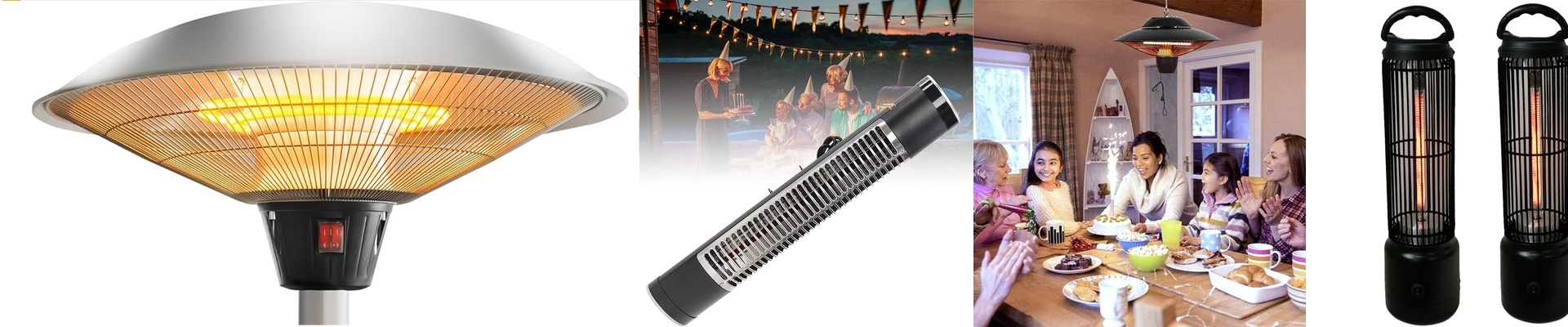

The Truth About Heating High Ceilings
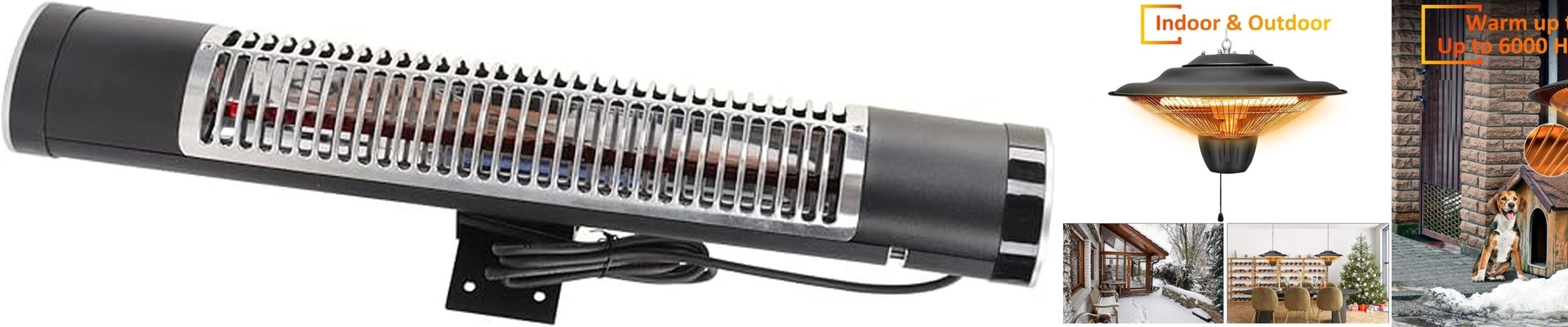
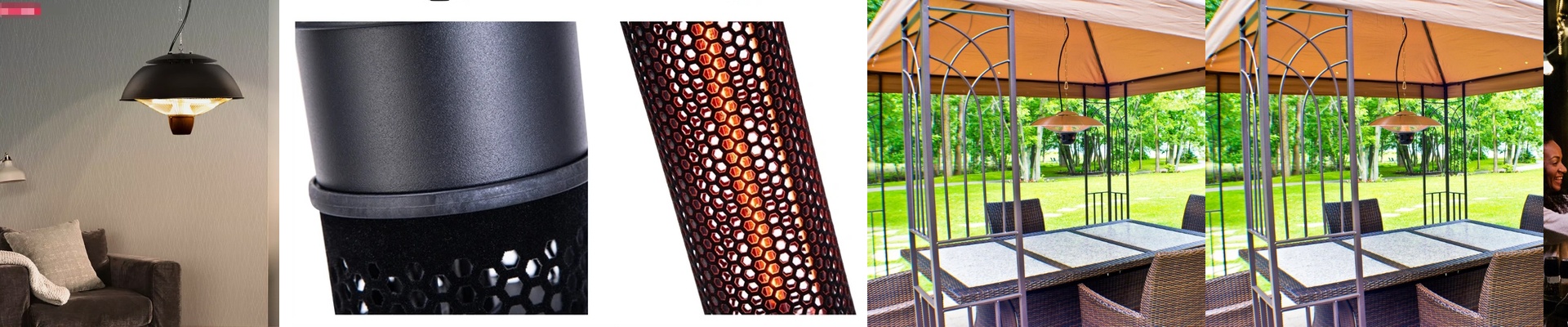
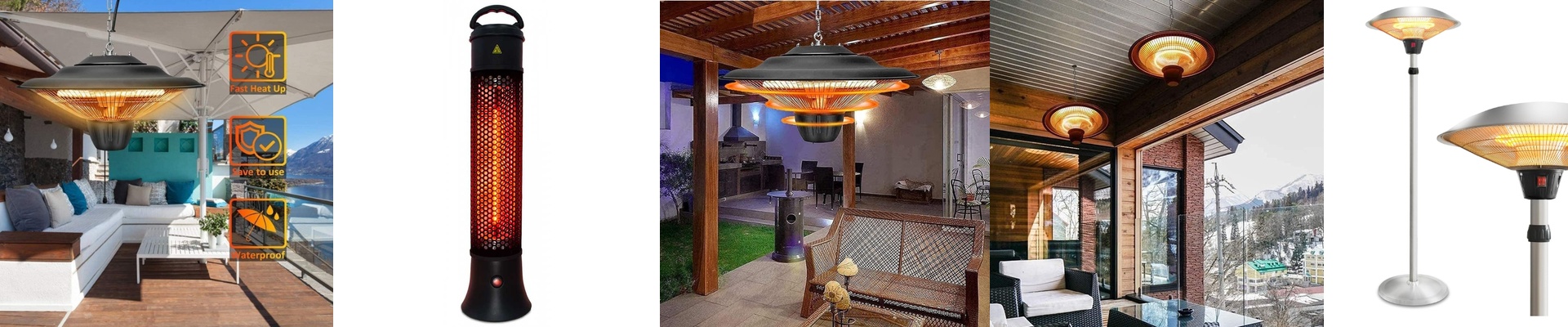
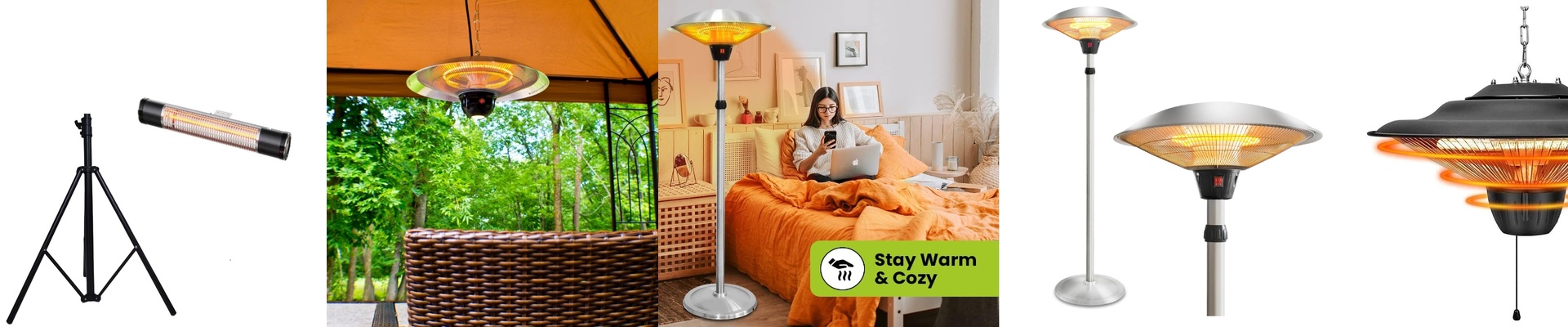
If you’ve ever tried to heat a changing room with high ceilings, you know the struggle. You crank up the heat, but all that warmth just floats straight to the ceiling and stays there. Meanwhile, the people on the floor are still shivering. It’s a losing battle. That’s why we stop trying to heat the air. Instead, we use short-wave infrared. Think of it like the sun. The sun doesn’t warm the air in space to make you feel warm on a beach; it sends energy directly to your skin. These heaters do the exact same thing. They send out waves that hit people, benches, and floors directly. It’s instant. You don’t have to wait an hour for the entire room to warm up. You flip a switch, and you feel it immediately. It doesn’t matter if your ceiling is 10 meters high—the heat doesn’t drift. It just hits the target. But here’s the thing: you can’t just slap these anywhere. To cover a big area, you need high-wattage units that can “throw” the heat a long distance. If the intensity isn’t high enough, the warmth just fades away before it reaches the floor. And this is where a lot of people trip up. If you mount them too high or get the angle wrong, you’re basically just heating the ceiling. We use parabolic reflectors to beam the heat straight down where it actually belongs. One more heads-up: these units pull a lot of power. Make sure your cabling and breakers can actually handle the load when everything kicks on at once, or you’ll be staring at a tripped breaker. As for keeping them running, these things are tough. They can handle the humidity of a gym without breaking a sweat. But they do have one weakness: dust. It sounds minor, but a thin layer of grime on the reflector can kill your heat output by 15%. It’s a huge drop for such a small amount of dirt. Just keep the faces clean, and the heat will keep hitting the floor exactly like it should.