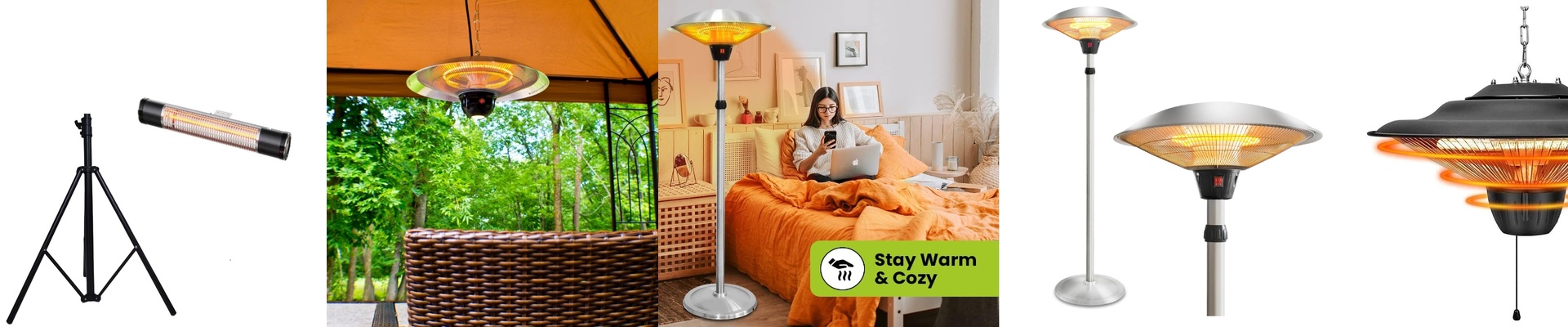
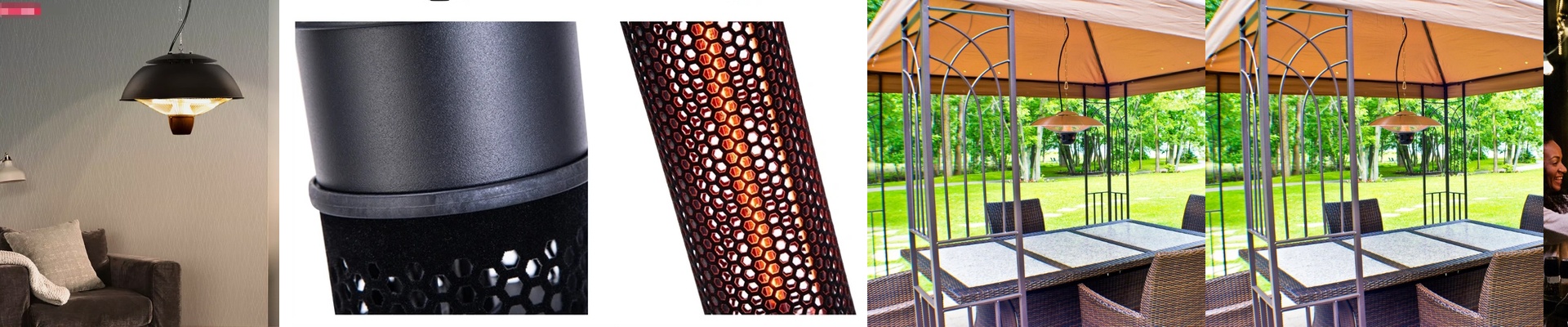
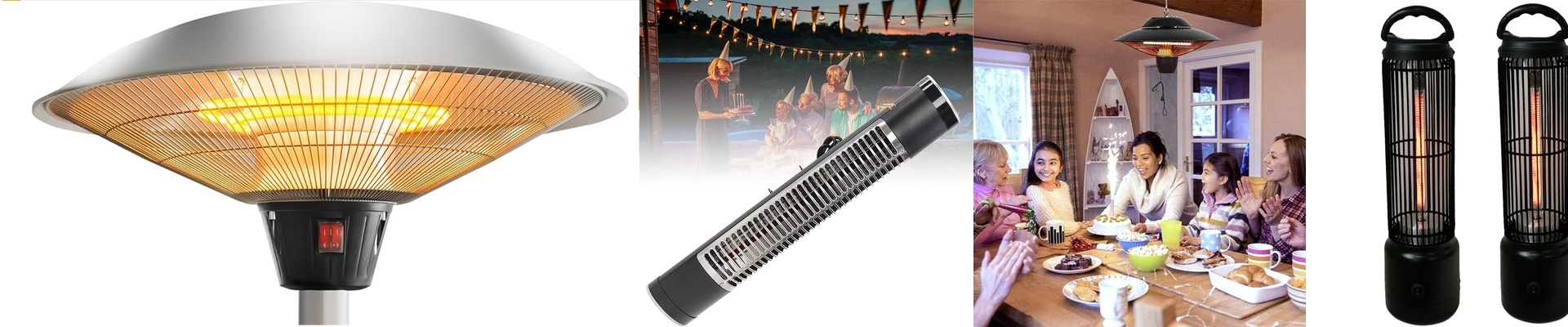
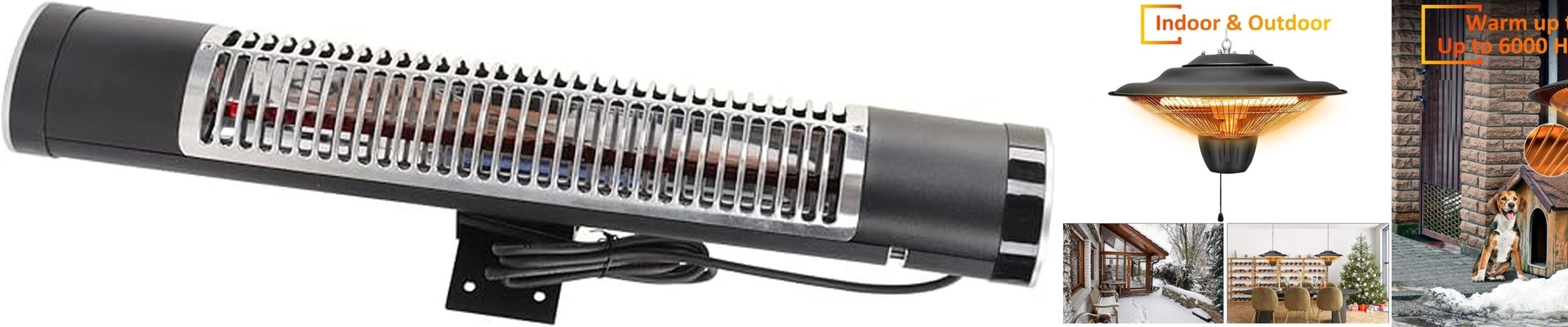
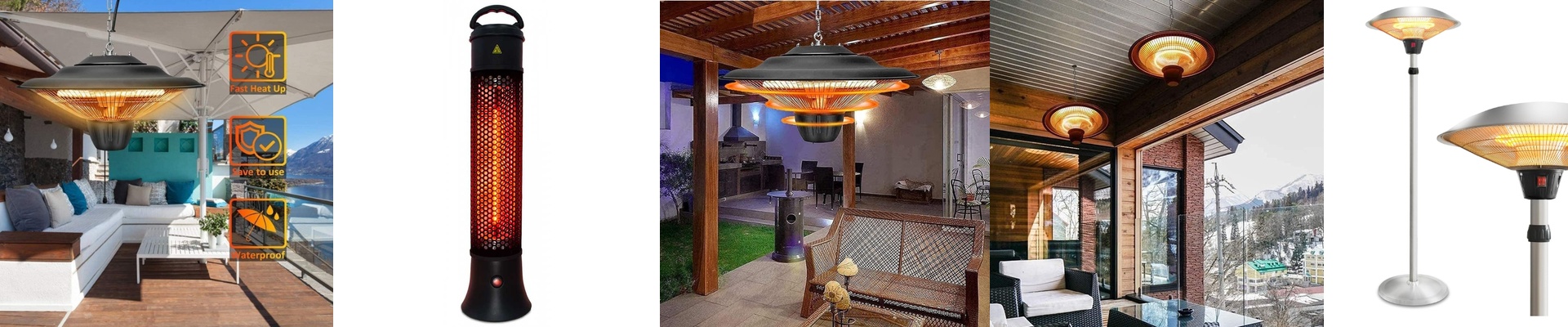

How to Get Your Infrared Heater Height Right
If you’re putting infrared heaters into a changing room or a fancy lounge, you can’t just slap them on the ceiling and call it a day. The gap between the heater and the ceiling is the difference between a cozy room and a genuine fire hazard. See, these aren’t your typical heaters that just warm up the air. They send out electromagnetic waves. The heat travels in a straight line until it hits something—like a person, or in this case, your ceiling.
The Danger of the “Heat Trap”
Here’s the thing: if you mount a shortwave lamp too close to the ceiling, you’re basically creating a heat trap. The ceiling absorbs all that energy, gets scorching hot, and then pushes that heat right back into the heater. It’s a nasty cycle. If the gap is too tight, the housing will overheat. You’ll end up with burnt-out elements or, even worse, melted mounting brackets. Not a great look. As a rule of thumb, leave about 0.5 to 1 meter of space. If you’re using high-wattage lamps, give it even more room. Those things put out a lot of raw energy, and you don’t want to be the person who accidentally warped the drywall or scorched the paint.
Finding the Sweet Spot
Positioning is always a bit of a balancing act. You want the heater high enough to cover a decent chunk of the floor, but low enough that people actually feel the warmth the second they walk in. If you go too high, the heat loses its punch by the time it reaches the target. **Pro tip:**Use heat-resistant reflectors. They bounce the energy downward, which keeps the ceiling cool and puts the warmth where it belongs—on the guests.
Watch Your Materials
Before you start wiring everything up, take a look at what your ceiling is actually made of. Standard PVC panels or acoustic tiles have pretty low melting points. If you’re dealing with materials that can catch fire, you’ve got to increase that clearance or throw up a thermal shield. A quick way to tell if you messed up? Touch the ceiling. If it’s hotter than 60°C, it’s too close. Move it.