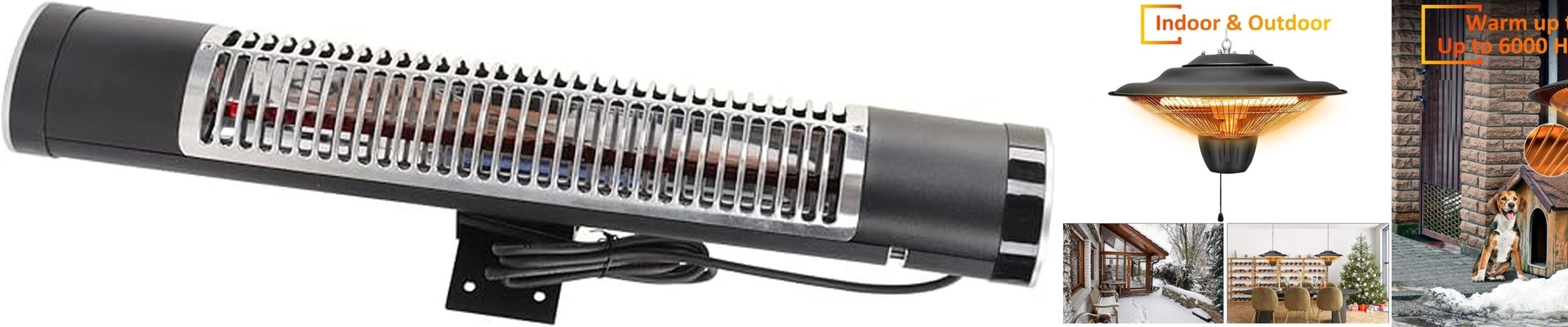

Why we build our waterproof heaters in modules
When you’re picking out a waterproof infrared table heater, it’s easy to get caught up in how fast it heats up on day one. But I always tell people to think about year five. What happens when a heating element finally gives out? In a busy shop, every hour of downtime is just money leaking out of the business. That’s why we stopped using integrated wiring and moved to a modular chassis. The “Drop-In” Approach Most heaters on the market are built as one solid block. If a single tube dies, you’re looking at a full teardown. It’s a headache. We do things differently. Our heating elements sit in their own independent cassettes. If a tube pops, you just pull out that specific module, swap the lamp, and slide it back in. No fighting with rusted bolts. No rewiring the whole table. Just a quick swap and you’re back in business. The Waterproofing Struggle Usually, making something waterproof means sealing it shut forever. You end up with glue and permanent seals that make maintenance a nightmare. We use compression gaskets and IP-rated connectors instead. It keeps the water out, but it doesn’t lock the guts of the machine away from you. You can get inside the unit without ruining the seal. The Trade-off Now, I’ll be honest—modular systems have a quirk. Because there are more connection points than a hard-wired setup, you have to be mindful of the plugs. Your techs need to get the torque just right on the fasteners. If they go too heavy, they might crack the quartz envelope. Too loose? Moisture starts creeping in. It’s a balance, but it’s a fair Trade for the ease of repair. Real-World Maintenance Replacing a tube shouldn’t eat up an entire shift. With this layout, it’s a breeze: power down, unlock the clip, swap the element, and test it. You’re turning a multi-hour ordeal into a few minutes of work. It keeps the equipment footprint small and, more importantly, it keeps your line moving.