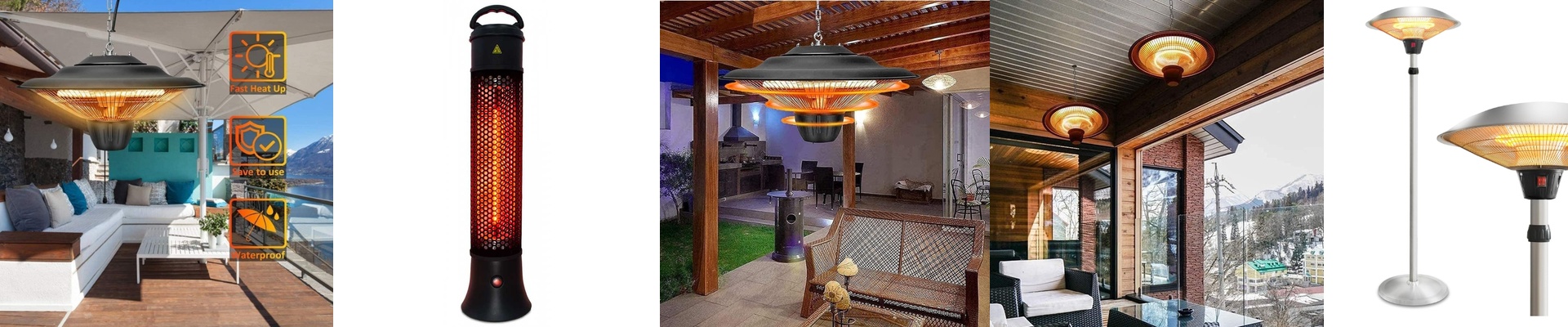

Why we’re moving away from lamp heaters in the bathroom
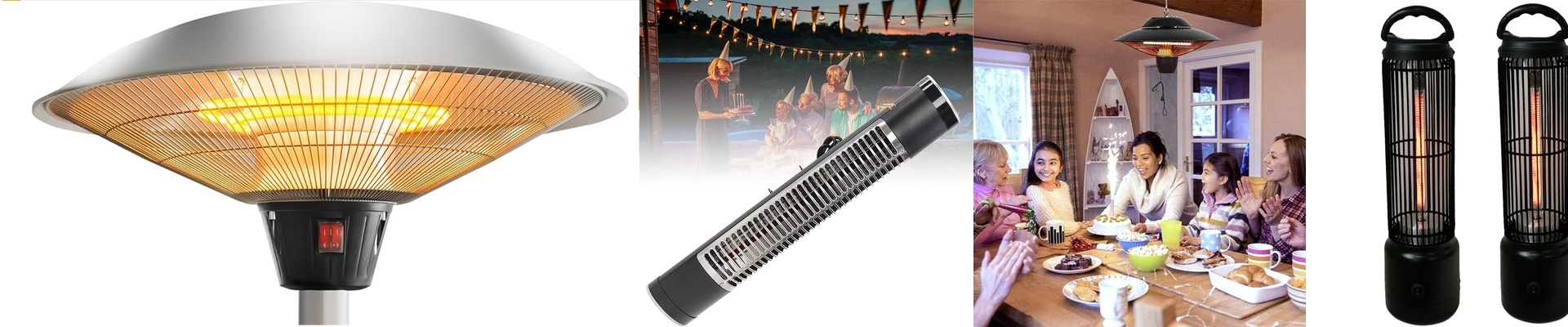
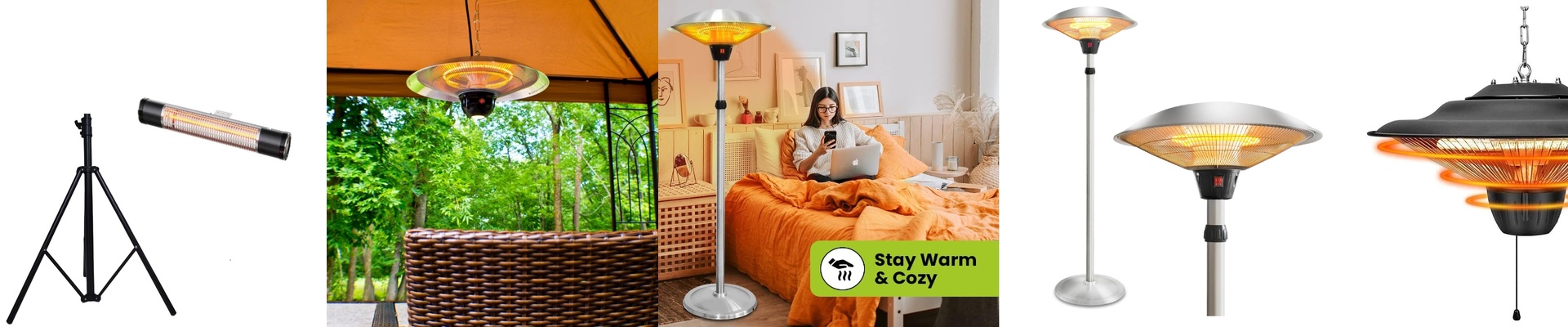
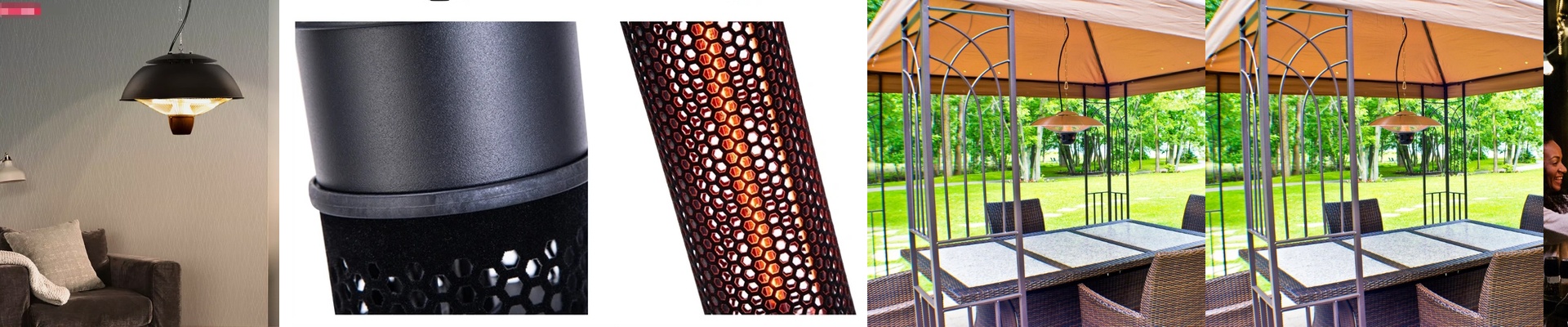
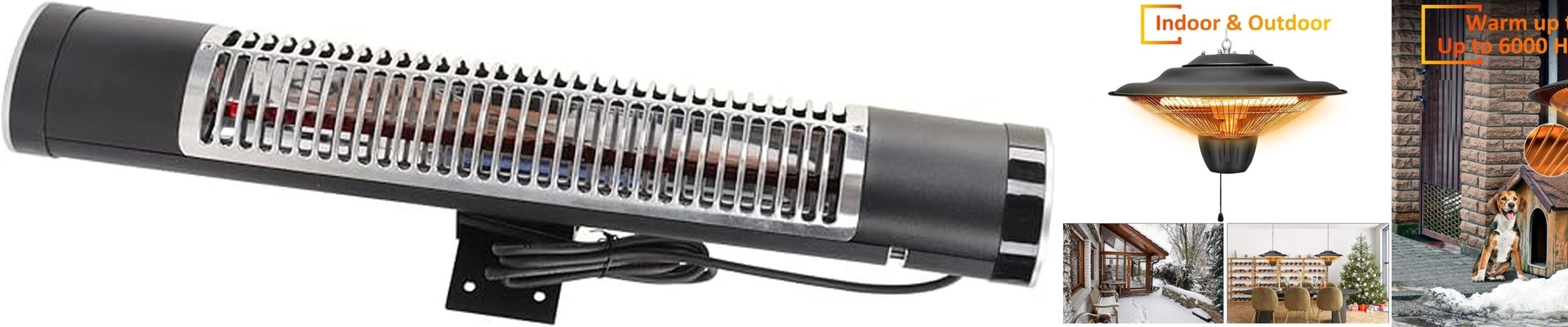
If you’ve spent any time looking at bathroom specs lately, you’ve probably noticed a shift. Those old-school “lamp heaters”—the ones with the halogen bulbs and reflectors—just aren’t cutting it anymore. More and more engineers are ditching them for high-standard waterproof infrared heaters. It’s not just a trend; it’s about how heat and moisture actually behave in a small, steamy room. The problem with steam Here’s the thing: most basic heaters aren’t actually sealed for a high-humidity environment. When you’ve got a room full of steam and water splashes, that moisture finds a way in. If you put a cheap heater in a shower area, you’ll likely see the contacts start to oxidize and corrode within a year. Not great. That’s why we lean toward high-IP rated units. They seal the electrical guts away from the dampness, which keeps everything from shorting out. Actually feeling the heat There’s also a big difference in how you actually feel the warmth. Lamp heaters create a tiny, intense hotspot. But infrared? It uses a wider emitter. Instead of trying to warm up all the air in the room—which is a losing battle if you have a drafty window or a gap under the door—infrared waves hit your skin directly. It’s fast. Really fast. You feel the warmth the second you step in, regardless of how chilly the air is. A few things to keep in mind Now, it’s not a “plug and play” swap. You have to check your electrical load. These infrared arrays pull more current than a single halogen bulb, so make sure your wiring and breakers can handle the extra muscle. And a pro tip: even with a great waterproof rating, don’t mount them right where the shower head hits. Think about the physics. When a piece of glass is sitting at 500°C and suddenly gets hit with a splash of cold water, it’s under a lot of stress. To keep things from cracking, we use tempered quartz glass. It handles that thermal shock much better.