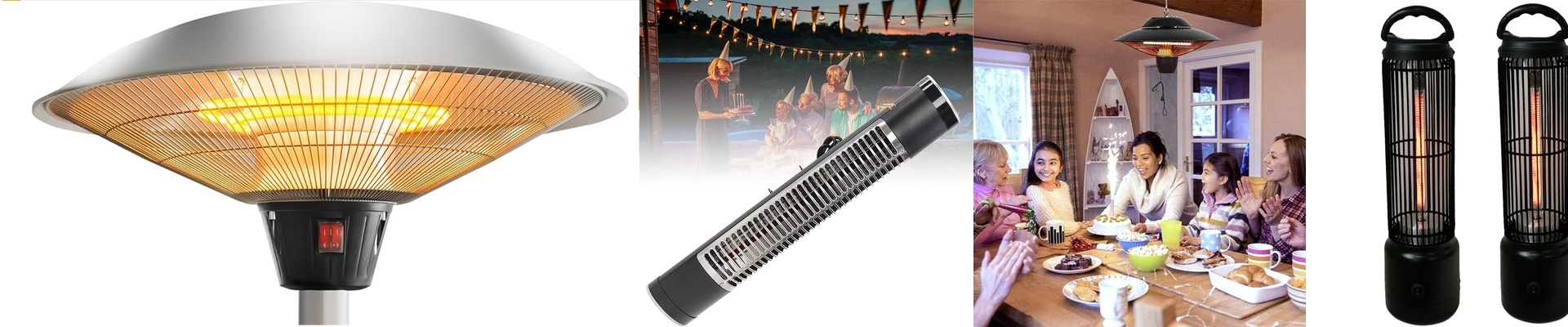

Keeping Wet Zones Warm Without the Headache
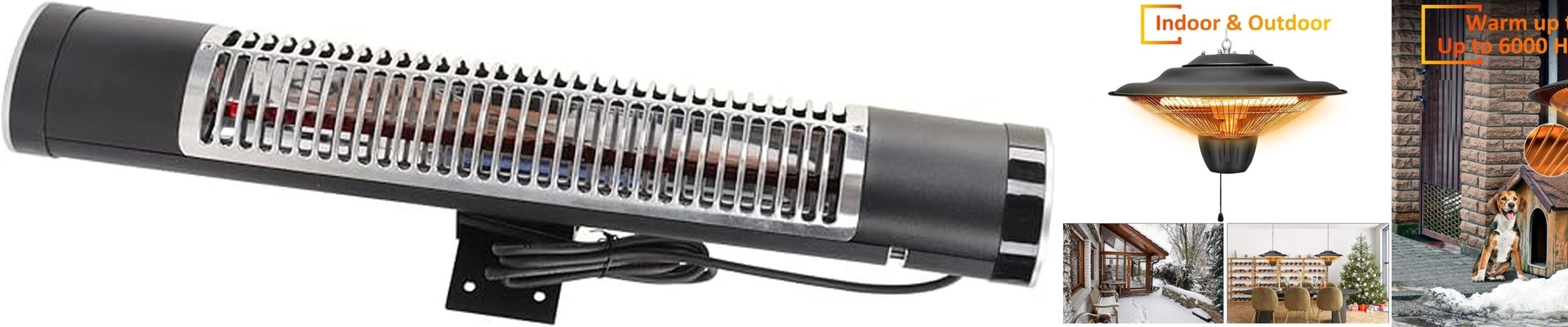
Ever stepped into a freezing changing room and felt that instant shiver? It’s a miserable experience. Most heaters try to warm up the air, which takes forever—especially when you’re standing there in a towel. That’s why we use shortwave infrared (SWIR). Instead of fighting the air, it goes straight for the surface. You feel the heat the second you step under it. No waiting. No shivering. Just instant warmth.
Why the IP65 Rating Actually Matters
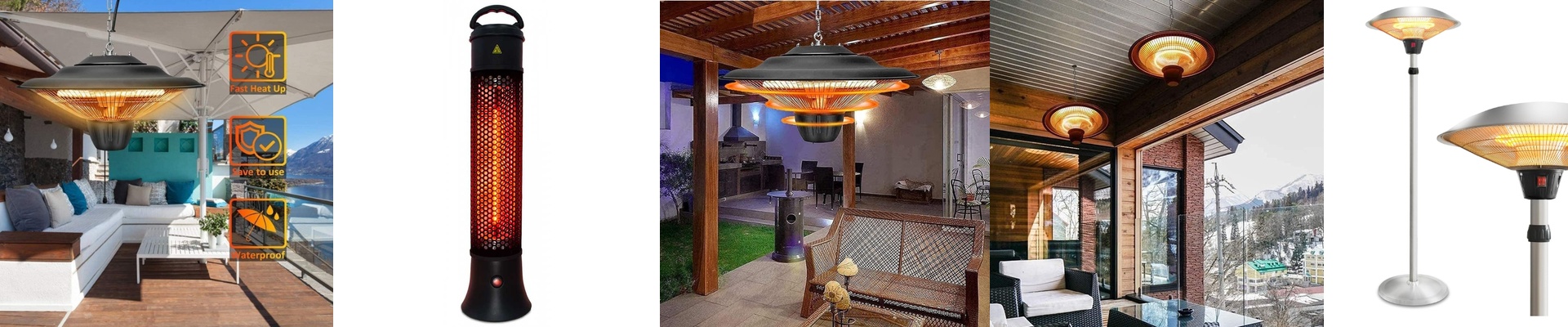
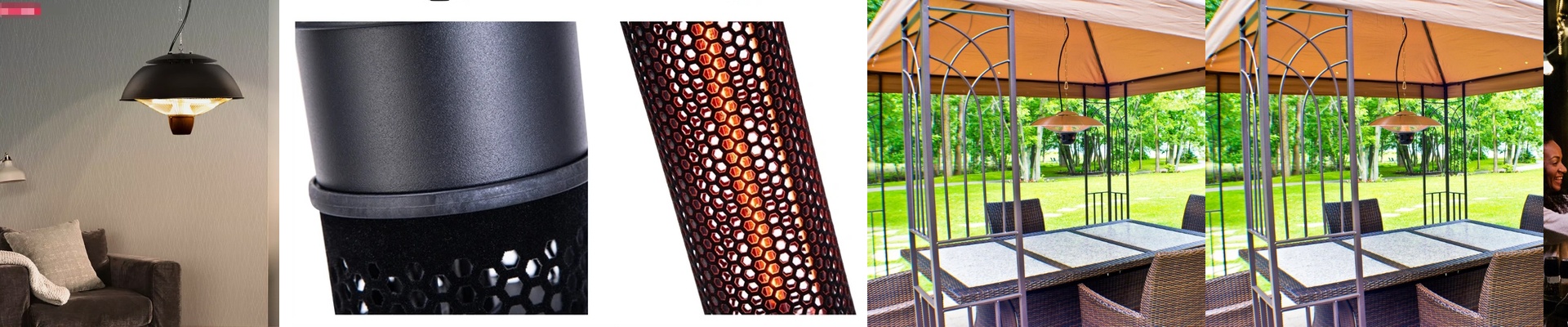
If you’re putting a heater in a locker room or a shower area, water is your biggest enemy. It finds its way into everything. Usually, that means a short circuit or a burnt-out element, and then you’re calling a technician on a Tuesday morning. We stick to IP65 standards for a reason. It basically means the unit is dust-tight and can handle a direct blast of water without blinking. The seals keep the moisture away from the electrical terminals, which is where things usually go wrong. It’s peace of mind in a box.
The Science (The Simple Version)
We use quartz-halogen tech to get things hot, fast. The cool part? Shortwave radiation actually sinks deeper into your skin and muscles than the heat you get from a standard radiator. It’s like a deep-tissue warm-up. To get that “luxury hotel” feel, we pack a lot of power into a small frame. It’s a massive amount of heat in a tight spot. **One quick warning, though:**because it’s so intense, you can’t just slap these next to a plastic wall or a wooden bench. Give them some breathing room. You don’t want to accidentally melt your fixtures.
Getting It Installed
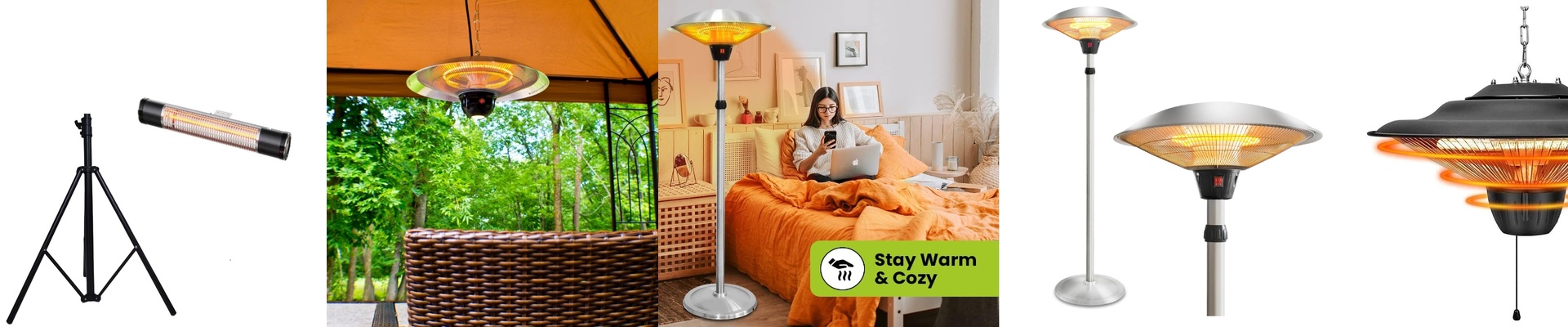
These are pretty much “plug and play” replacements for old industrial heaters. We use heavy-duty gaskets so the waterproof seal stays tight, even if the building vibrates. If you want to save some cash on your electric bill, hook them up to a motion sensor or a timer. The response time is under three seconds, so the heat is there exactly when someone walks in, and gone when they leave. One thing to keep in mind: these lamps glow bright. If your space is meant for relaxing or dim lighting, you might want to add a diffuser or tuck the lamps out of direct sight. Otherwise, it’s like having a small sun in the room.