
Why we put our bathroom lamps through the “steam chamber”
Let’s be honest: bathrooms are a nightmare for electronics. You’ve got thick steam, constant humidity, and temperature swings that would make most hardware cringe. It’s basically a playground for electrical failures. Because of that, we don’t just plug a lamp in, see if it lights up, and call it a day. That’s how you end up with a product that works great for a week and then dies the moment your customer takes a long, hot shower. Instead, we put every batch through “damp-heat aging.” It sounds fancy, but it’s basically just a torture test.
The problem with water vapor
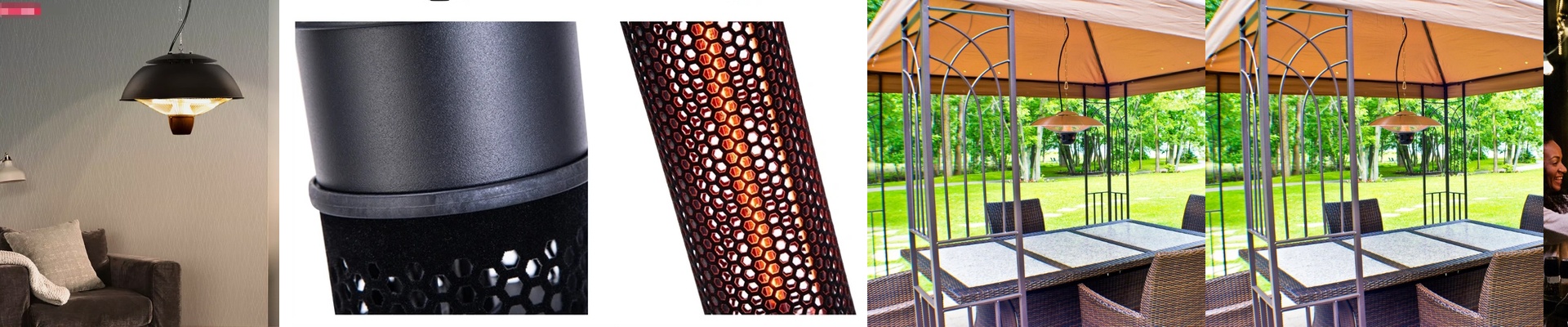
Here is the thing about moisture: it’s sneaky. It finds the tiniest gaps—usually right where the quartz tube meets the electrical terminals. Once that vapor slips inside, it starts eating away at the wiring. This creates oxidation, which makes it harder for electricity to flow. When the resistance goes up, things get hot. Not “warm lamp” hot, but “melting the insulation and popping the circuit” hot. And that’s exactly what we’re trying to avoid.
Why we “age” the lamps
A lamp can look perfect on the assembly line but fail miserably after three weeks in a real bathroom. To stop that from happening, we use high-humidity chambers to simulate months of heavy use in a matter of days. We push them hard. We’re looking for any leak or weak solder joint that might give way. If the seal isn’t airtight, the lamp fails. We’d much rather have it break in our lab than have a customer call you because their light died.
The trade-offs
Now, we could make these things completely bulletproof, but that comes with a cost. Adding heavy-duty seals and thick coatings makes the lamp bulkier. If we go too far with the shielding, it can even mess with how the heat spreads. But honestly? That’s a trade we’re happy to make. A slightly larger profile is a small price to pay for a lamp that actually lasts. You can’t cut corners when you’re mixing electricity and water. One last tip: we build these to handle the moisture, but the fixture housing still needs a bit of breathing room. Even the toughest lamp will struggle if it’s trapped in a stagnant pocket of 100% humidity with zero airflow. Give it some room to breathe, and it’ll take care of you.