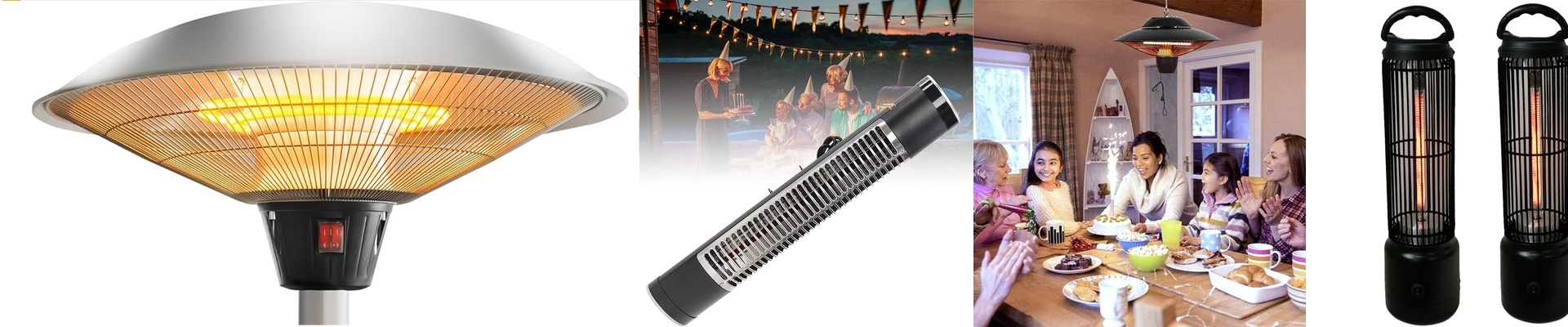
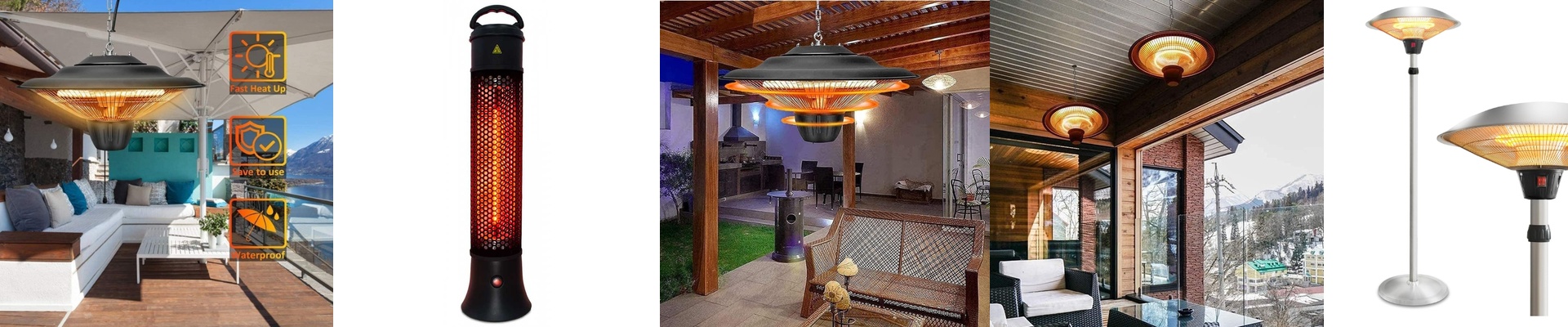
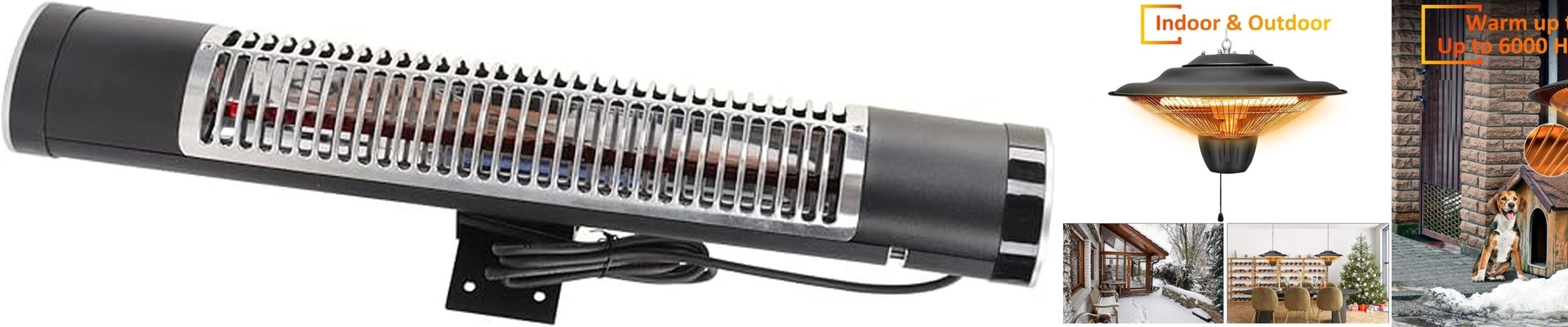

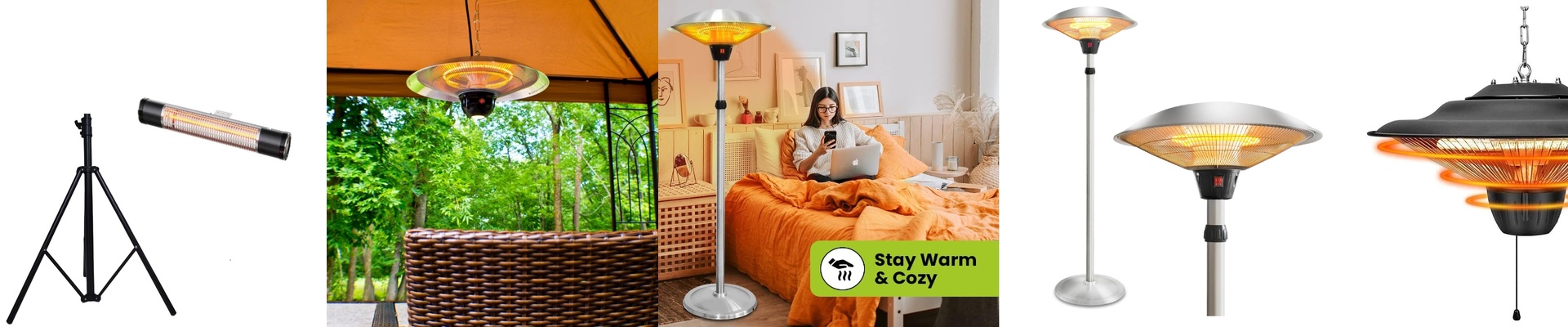

Keeping the Rain and Fog Out of Your Outdoor Heaters
Let’s be honest: putting a high-powered heater outside is basically inviting nature to try and break it. You’ve got rain coming from the sky and condensation creeping in from the air. If you aren’t careful, that moisture finds its way into the electronics, and—pop—your heater is a very expensive piece of scrap metal. We spent a lot of time figuring out how to stop that from happening.
Dealing with the Rain
Most people think a plastic cover is enough. It isn’t. We use a sealed chassis with silicone gaskets and precision seals everywhere the wiring enters the housing. Why? Because if a single drop of water hits a live terminal, you’ve got a short circuit. It’s that simple. By keeping the power supply totally isolated from the elements, we stop the rust and corrosion that usually kills off those cheap heaters you see at big-box stores.
The Battle Against Fog
Then there’s the condensation. You know that foggy film that builds up on mirrors in the bathroom? The same thing happens to the reflector and the quartz tube. When cold, damp air hits a scorching hot surface, it turns into moisture. If those droplets sit on the tube, they create “hot spots.” The glass stresses out, it cracks, and the heater dies. To fix this, we added a specific ventilation path and an anti-fog coating. It keeps the heat where it belongs and stops the moisture from pooling.
The Balancing Act
Here’s the tricky part: if you seal a heater too tightly, it can’t breathe. We have to find the sweet spot between keeping the rain out and letting the internal electronics cool down. That’s why we use strategic venting. Just one tip: make sure you give the unit some breathing room when you mount it. If you box it in too tight, it’ll overheat. But if you give it a little space, these things will last you for years instead of just a couple of seasons.