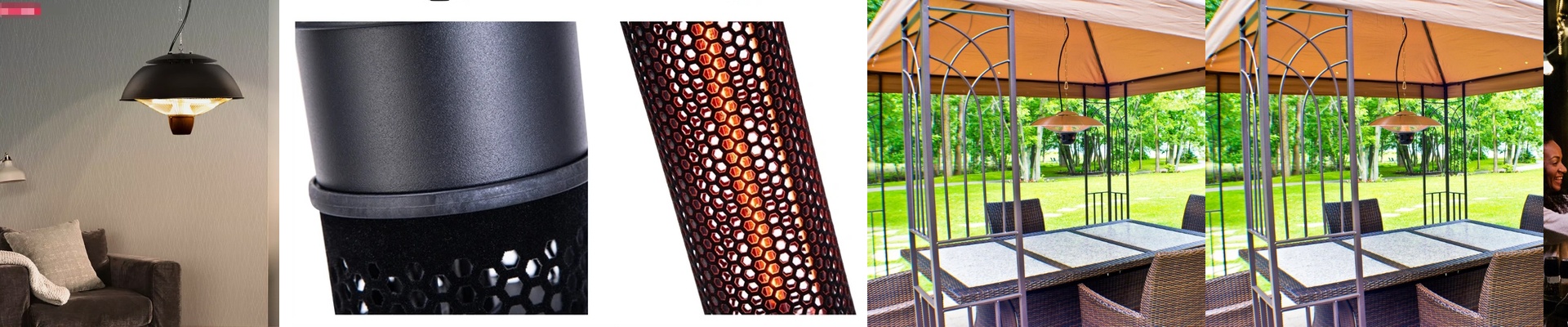
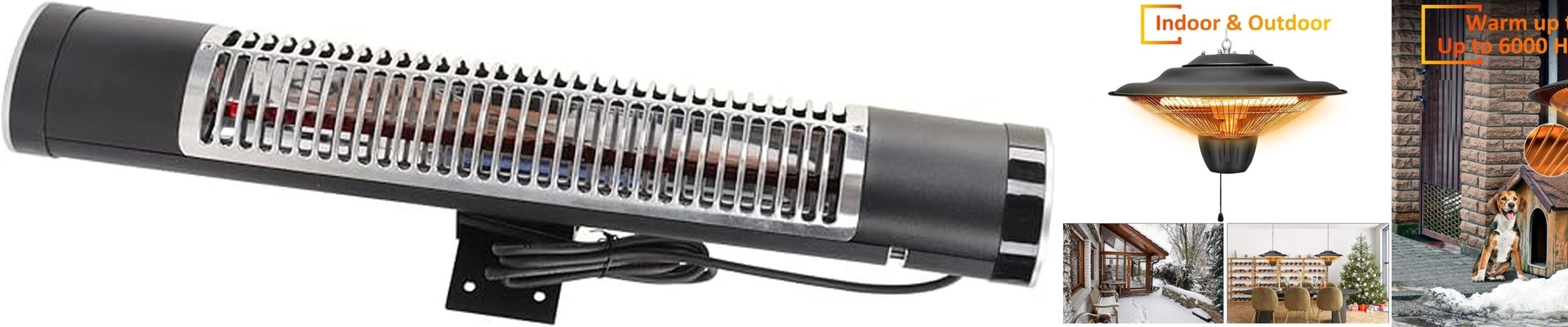
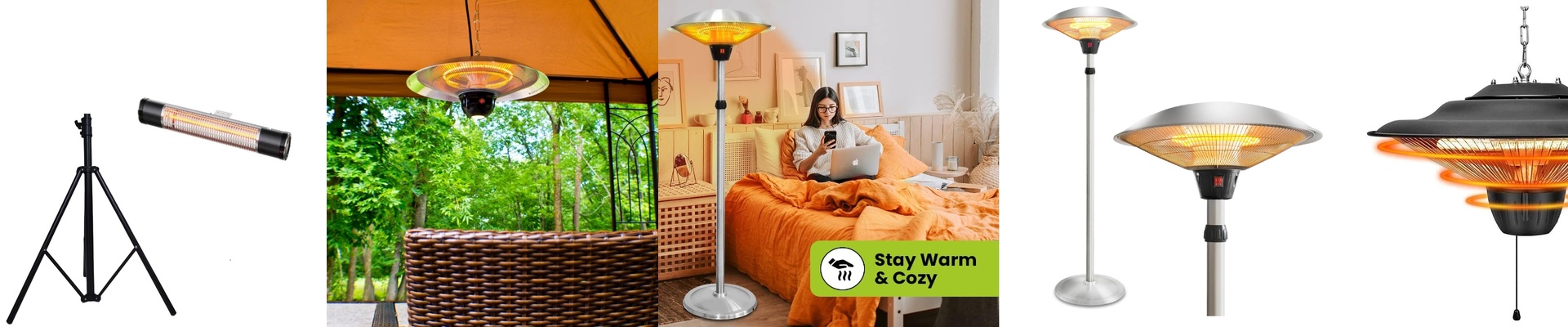
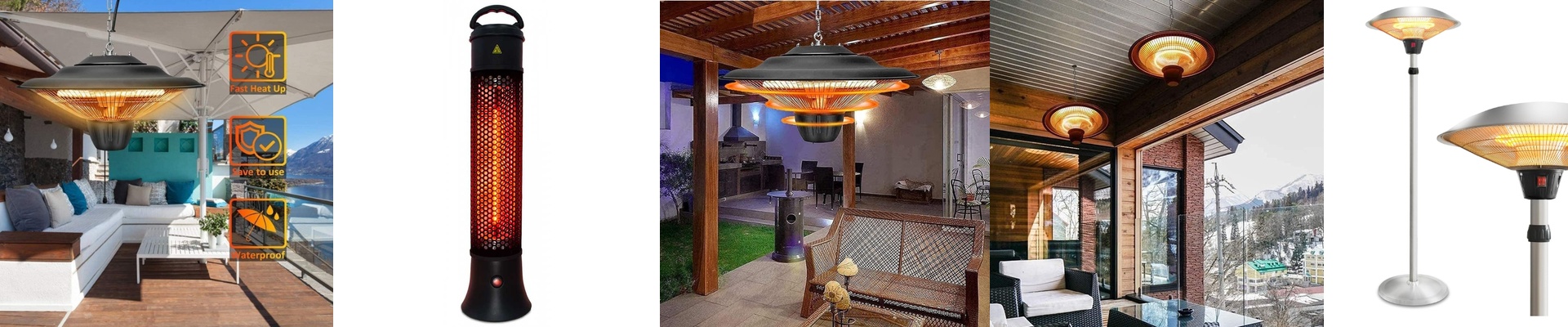
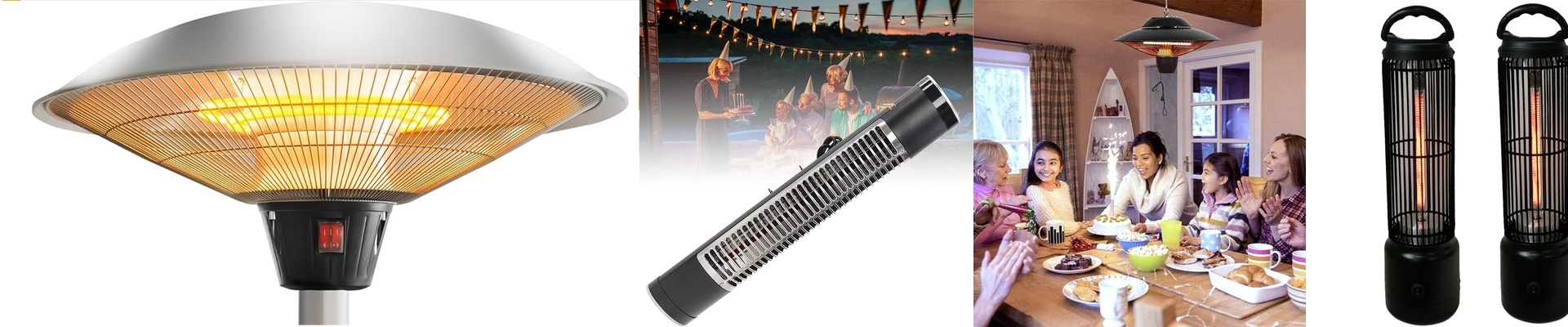

Cold nights and shifty weather can kill an outdoor gathering before it really gets going. The air turns sharp, guests start edging indoors, and the whole vibe goes flat. We built our electric blow heaters to keep people comfortable where it counts—on the patio, in the workshop, or right at a busy service counter—so you can keep the season running, even when the temperature dives.
What matters, under the hood
Our electric blow heaters pair forced-air circulation with infrared radiant heat. The core uses a high-efficiency quartz tube or carbon fiber element that comes up to temperature almost instantly, and a quiet fan pushes the warmed air out. In practice, you feel the heat quickly—no long wait. Typical units run on standard 120V or 240V, drawing from 1.5kW to 3.0kW, so they fit common outlets and can be matched to the space. A built-in thermostat keeps output steady, and safety protections—tip-over cut-off and overheat shutdown—help prevent mishaps. For outdoor use, look for an IP rating that tells you the heater can handle rain and dust. In a workshop, a rugged housing keeps output consistent even when the air is dusty.
Why this works in the field
If you’re sizing up our top-selling models, you’re looking at a line that matches what people actually need. Export markets want warmth that’s fast, clean, and easy to install—and that’s exactly what these electric blow heaters deliver. The infrared part warms people and objects directly, so comfort feels natural even when the breeze is steady. At the same time, the blower action spreads that warmth across a larger area, cutting down cold spots. The payoff is fewer complaints, longer sessions, and repeat use—the kind of factors that drive steady sales and smoother service. Our dealer program keeps ordering straightforward, with clear margins and support focused on the models that move the most units.
The practical details
Electric blow heaters are simple to set up, but they do need the right electrical foundation. Match the plug type and voltage to the local standard, and make sure the circuit can handle the wattage without overloading. For outdoor placements, position the unit so the intake isn’t taking wind head-on, and keep clearances clear of curtains, furniture, or anything combustible. Radiant heat is directional, so aim the angle to hit seating areas, not open space. One trade-off: in very windy conditions, the blower can work harder to keep the same feel. That’s where a wind-shielded layout makes the difference.