
Walk into any commercial heating procurement meeting and you can feel the pressure. Spec sheets fly, price lists pile up, and everyone swears their heater is the one. Then winter hits, and the same problems show up again: units that don’t keep up, safety worries, and budgets that get away from you. In a market full of heaters that look alike, there is one signal that actually points to reliability—CE certification. It isn’t just paperwork. It’s a pass/fail gate on electrical safety, thermal protection, and steady output.
What matters under the hood
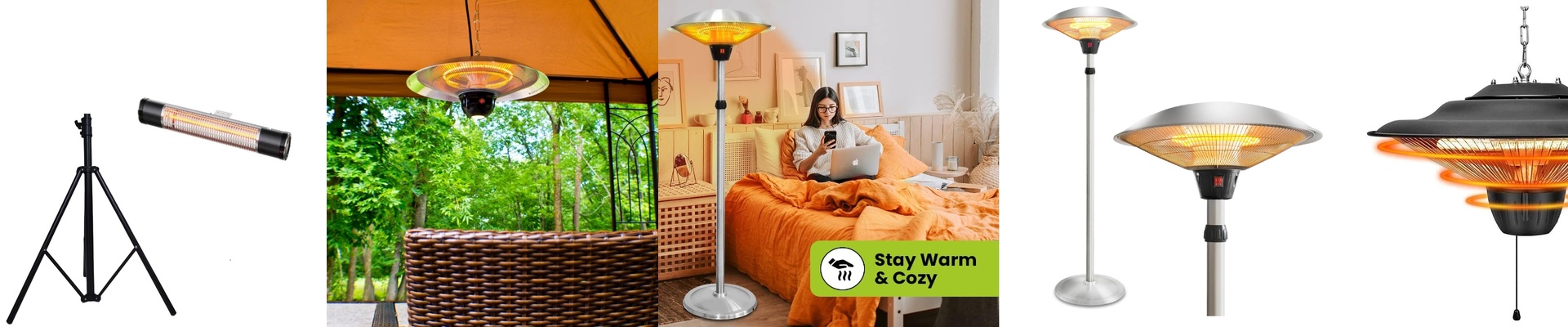
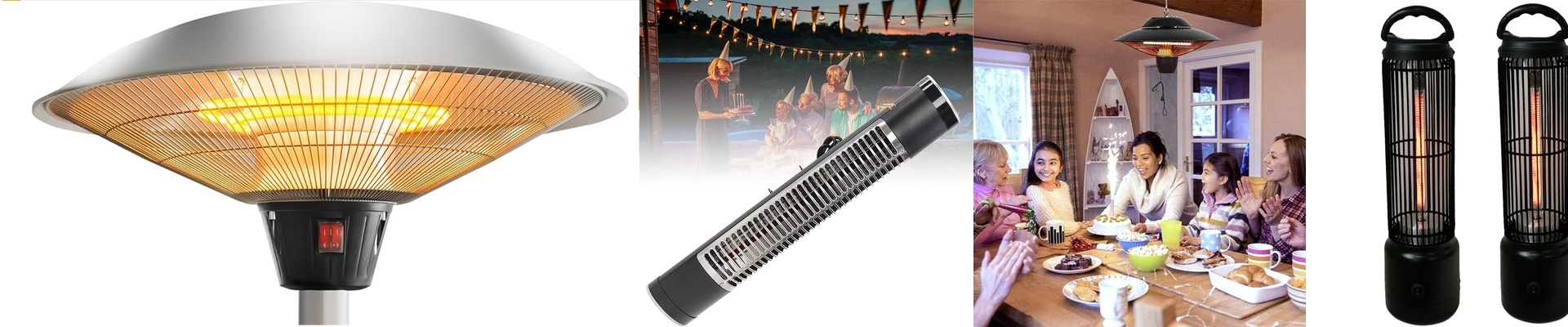
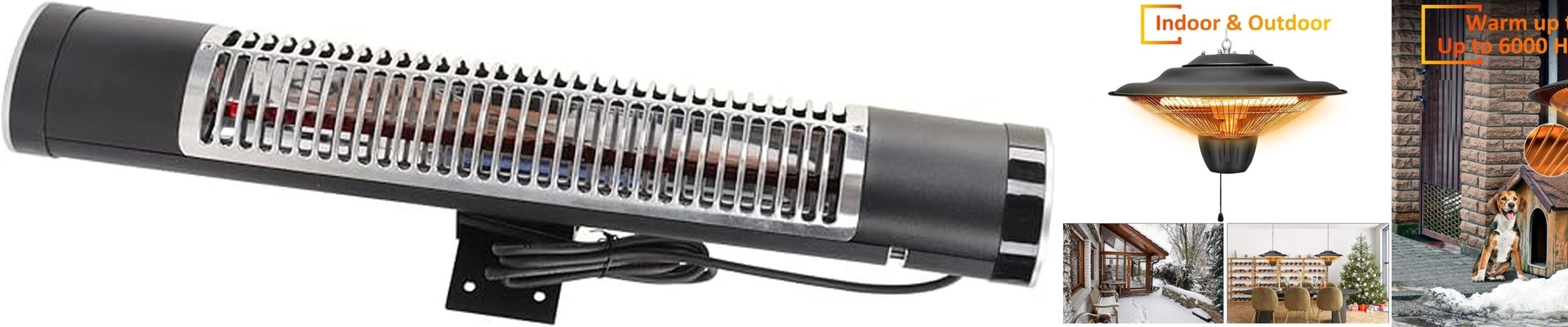
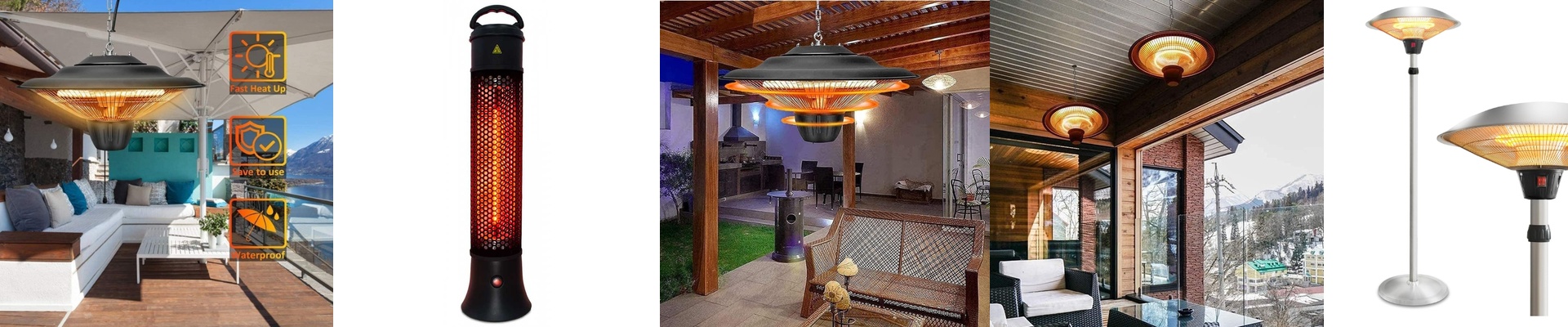
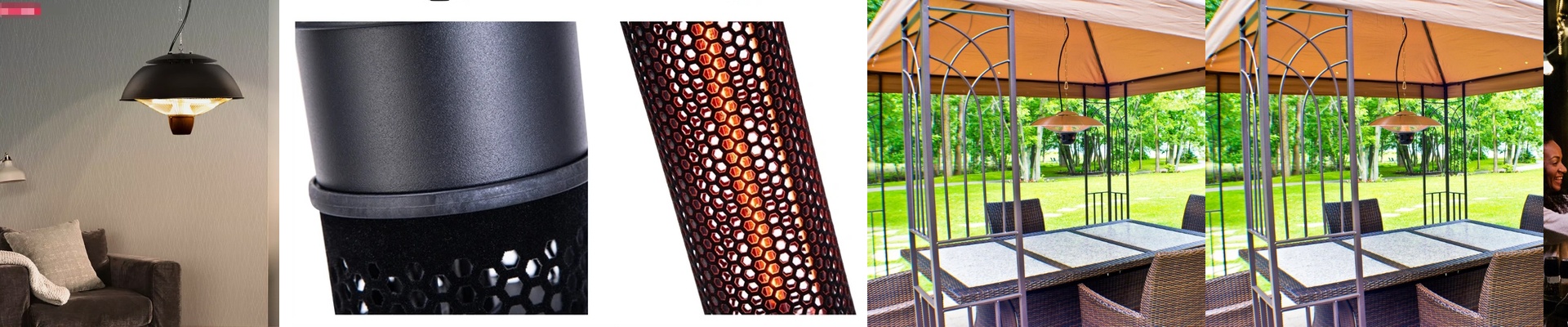
CE-certified infrared electric heaters are built around a radiant core—usually a quartz tube or a carbon fiber element—that delivers warmth instantly without trying to heat the air first. You get direct heat where you need it, with power ratings typically from 1.5 kW to 3.0 kW and standard 230 V connections for straightforward integration. The design also includes over-temperature protection, tip-over cutoff, and IP ratings that make them work in damp outdoor spots. In practice, that translates to fewer safety shutdowns, predictable power draw, and a heating pattern that fits real work rhythms.
Why this matters when you’re buying at scale
When you’re running multiple units, one failure doesn’t stay contained—it ripples through the operation. CE certification lowers that risk by forcing construction and testing to meet a real standard. Infrared warmth hits people and objects directly, so spaces feel comfortable faster, without waiting on the air to warm up. That means steadier comfort in workshops, covered patios, and waiting areas—and fewer service calls. Over a season, consistent performance adds up to less downtime, fewer replacements, and energy use you can actually plan around.
The details that make the difference
CE certification is a solid baseline, but it doesn’t automatically mean the heater is right for every site. Match the IP rating to the exposure—IP24 for splash zones, something higher where conditions are tougher. Plan your circuit loading carefully. A 3.0 kW heater needs a dedicated line. Infrared heats line-of-sight, so position units to cover the right zones without cooking one spot and leaving another cold. And yes, the elements hold up well over time, but they perform best when they’re kept clean and free of obstructions.