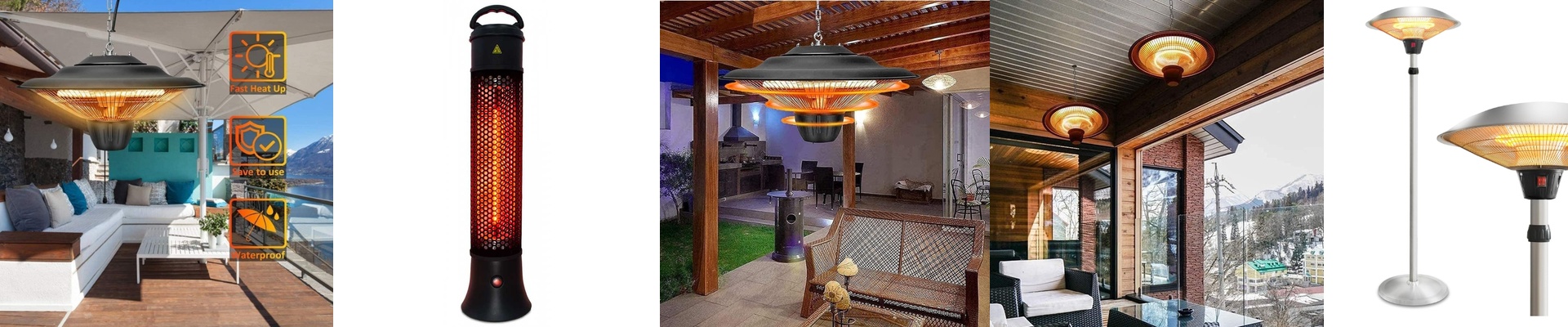
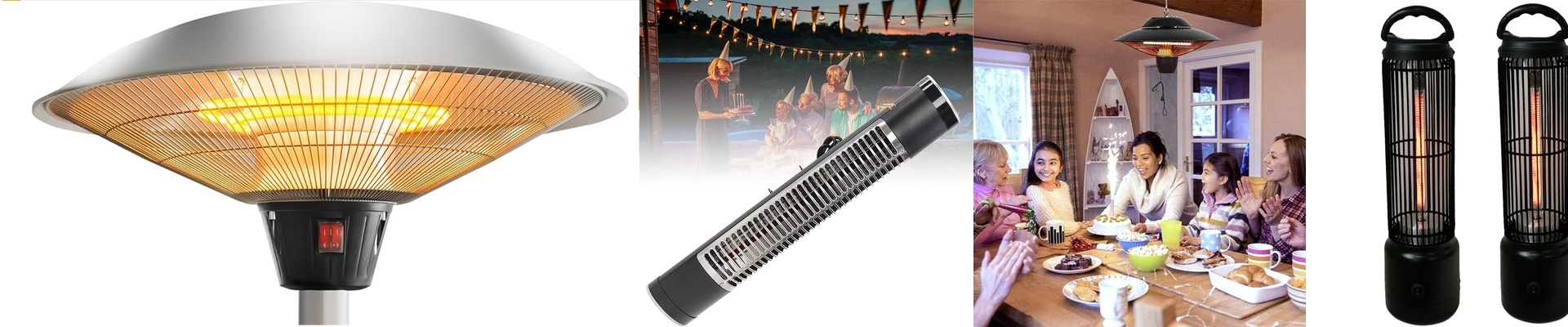
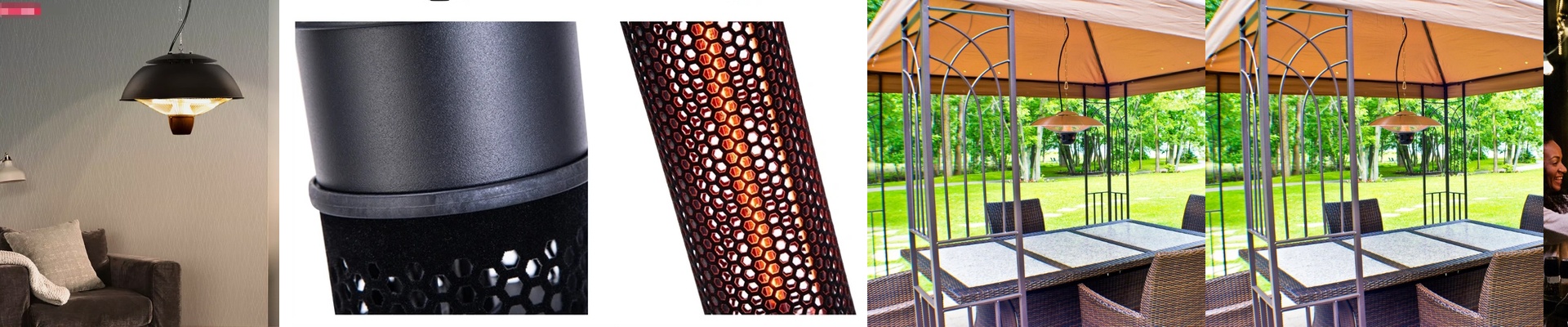
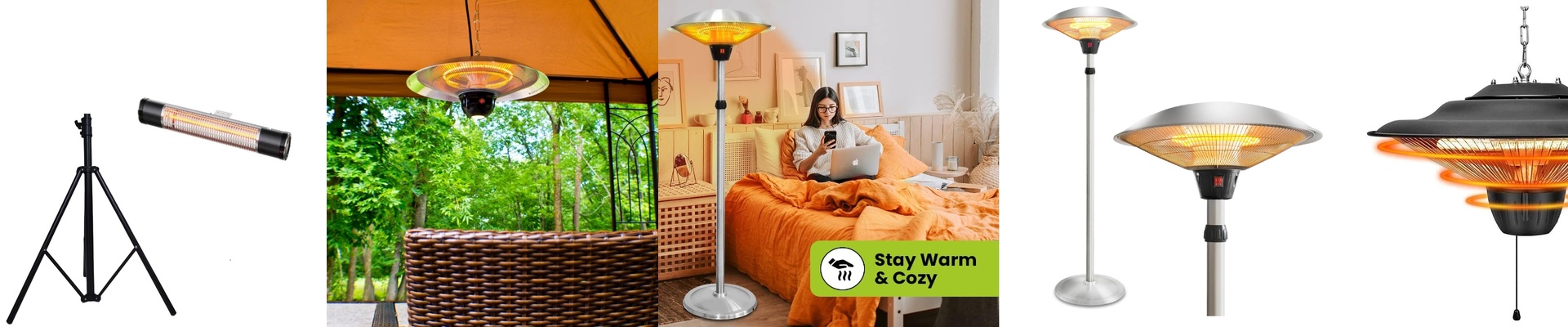
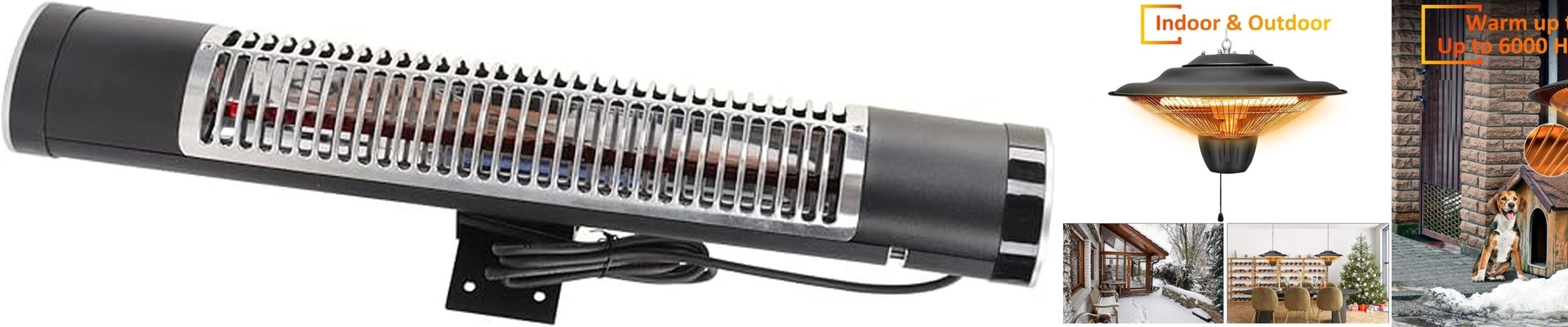

Glass-heavy attic sunrooms look great, but they don’t hide their weakness: heat loss. On a calm evening, the air right next to the windows turns cold fast, and the ceiling feels worlds away from the floor. You feel the chill long before the thermostat even blinks. A conventional fan heater stirs the air, but that warm breeze hits the glass and gives up. The room never really settles into comfort. Here’s what makes the difference when you pair a fan heater with an infrared element: you stop fighting air movement and start working with radiant heat. Instead of pushing air that cools on contact with glass, infrared warmth travels outward and heats people and surfaces directly. We pair a compact electric heater body with a focused infrared source—either a quartz tube or a carbon fiber element—so the beam cuts through the cool air layer and delivers heat where you actually feel it. Then the built-in fan gently redistributes the leftover warmth, smoothing the temperature from floor to ceiling. The payoff is measurable: you feel warmer at lower air temperatures, and the cycling on and off stays steady instead of frantic. In an attic sunroom, the problem is constant radiant loss through the glass. Infrared warmth sidesteps that by delivering energy straight to your skin and furniture, and the fan heater maintains the baseline. That approach stops the structure from working against you, so you spend less time chasing spikes and dips. Comfort shows up quickly, and the room feels quieter because the system doesn’t have to run wide open just to hold steady. Infrared works best with a clear line of sight. Shelving or heavy curtains will cast shadows in the warmth, so plan the heater’s position to cover the main seating area. Most electric models plug into a standard outlet, but for high-wattage units, a dedicated circuit is the smart move. Expect the surface near the element to get hot—keep the required clearances, and use the included safety features like tip-over protection and overheat cutoff.