


Why You Should Stop Using Basic Lamp Warmers in the Bathroom
Ever wonder why those old-school bathroom lamp heaters always seem to die right when you need them? It’s pretty simple: they aren’t built for steam. Water vapor sneaks into the housing, eats away at the contacts, and eventually, the whole thing just burns out. It’s frustrating. That’s why we’ve been moving toward IP66-rated infrared heaters. They basically wrap the electronics in a protective bubble, keeping the steam exactly where it belongs—outside the wires.
What “IP66” Actually Means for You
You don’t need to be an engineer to get this. An IP66 rating just means the unit is tight enough to keep out dust and can handle a direct blast of water without flinching. In a steamy bathroom, this is a lifesaver. We use heavy-duty gaskets and sealed cable entries so the guts of the heater stay bone-dry. No moisture bridging the electrical gaps, no short-circuits, and no “surprise” failures on a cold morning.
The Magic of Infrared
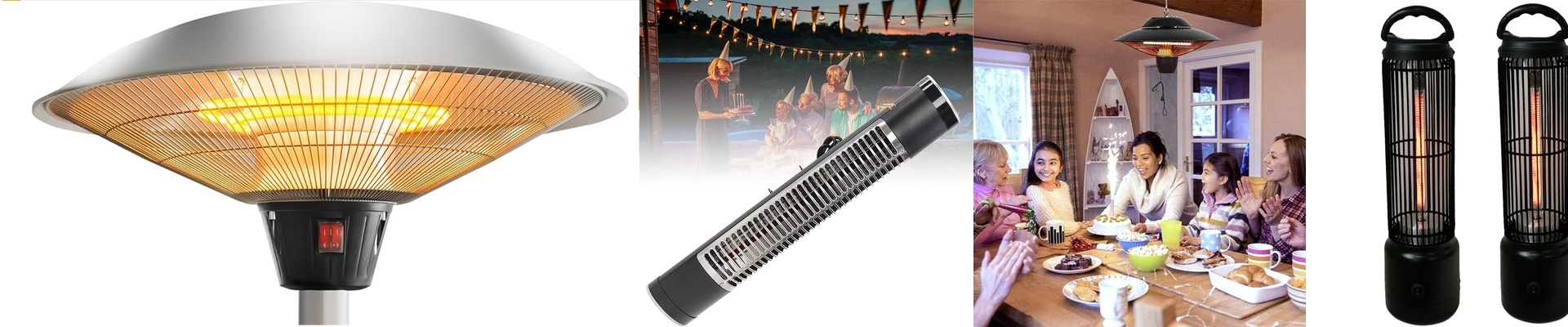
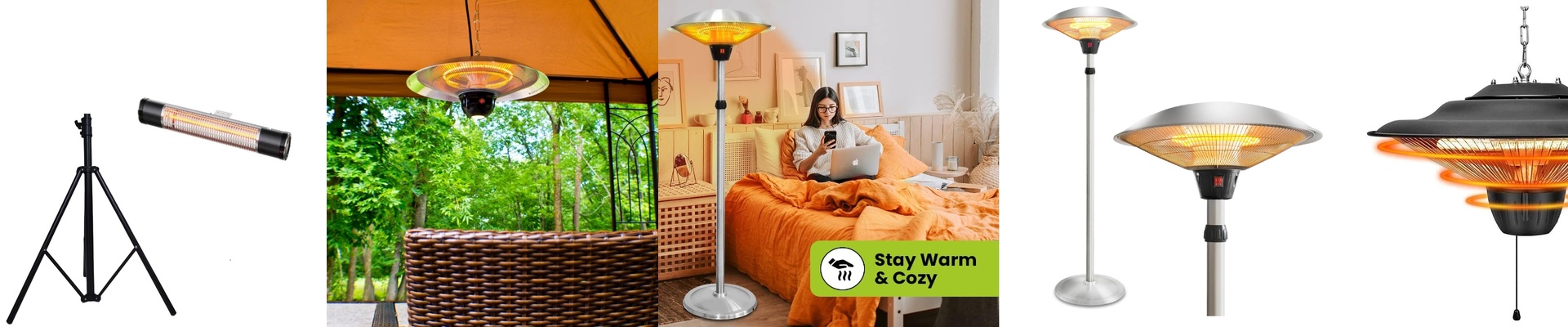
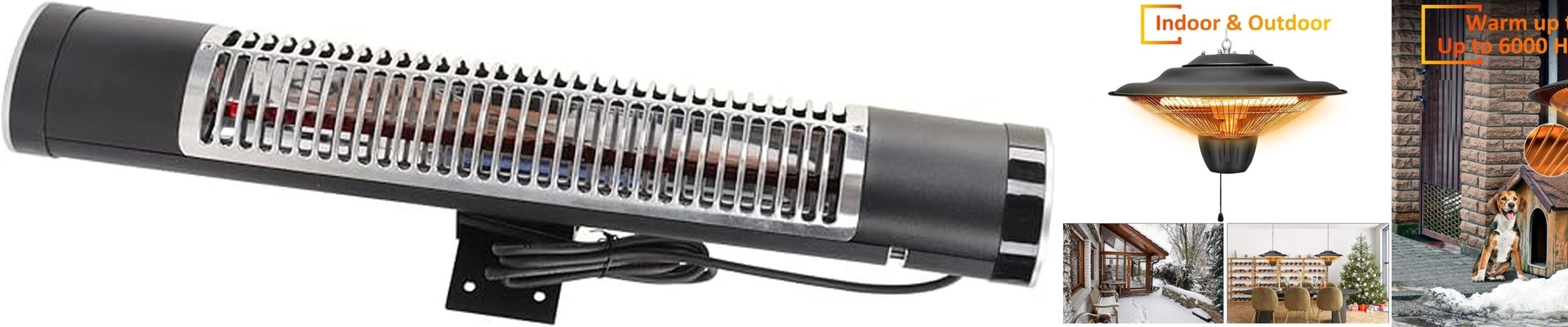
Most old warmers try to heat the air around you, which is a waste of time. Infrared is different. It sends out short-wave radiation that hits your skin and the surfaces around you directly. **It’s instant.**You don’t wait for the room to warm up; you just feel the heat the second you flip the switch. We use quartz glass tubes with special coatings to get the temperature just right. Even though those tubes get screaming hot, the IP66 housing is designed to vent that heat safely, so you aren’t risking a burn if you get too close.
A Few Things to Watch Out For
Before you go ripping out your old fixtures, there are two things you need to know. First, these aren’t “plug and play.” You’ll need a dedicated circuit. Also, because the seal is so tight, you can’t just pop the cover open to tweak a wire or patch a leak. If something goes wrong internally, you’re usually looking at replacing the whole module to keep it waterproof. And for heaven’s sake,**check your wiring.**These units pull way more power than a standard light bulb. If you use the wrong gauge wire, you’re going to trip your breaker the moment you turn it on. Get the wiring right from the start, and you’ll be set for years.