
Why You Can’t Cut Corners on Bathroom Heating Glass
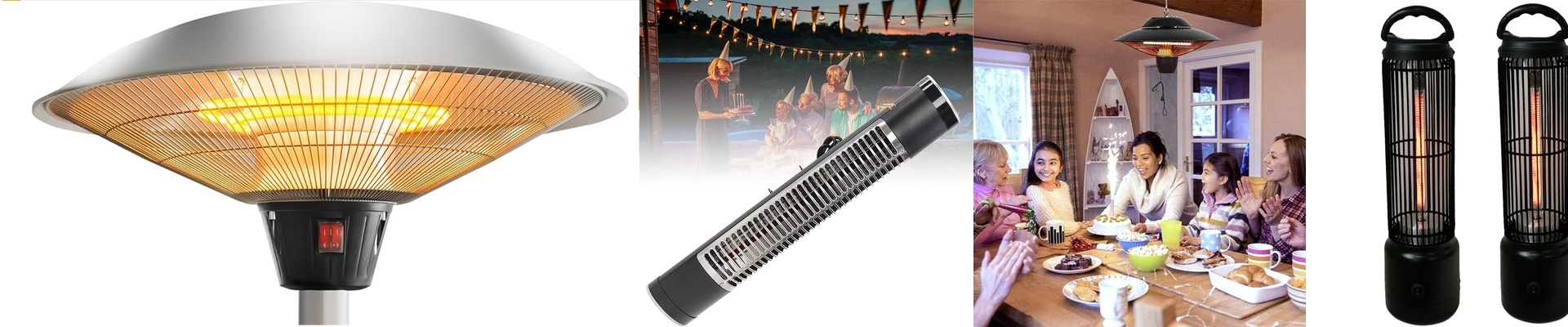
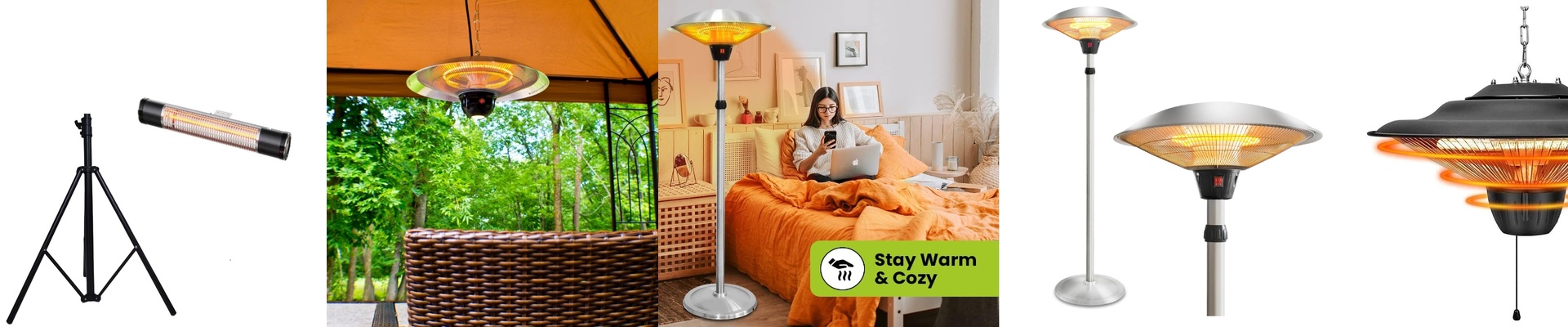
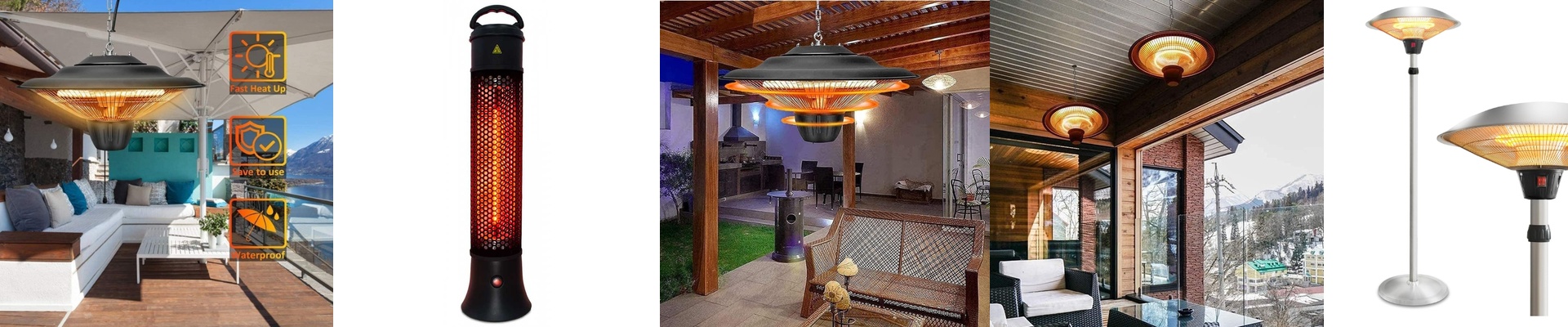
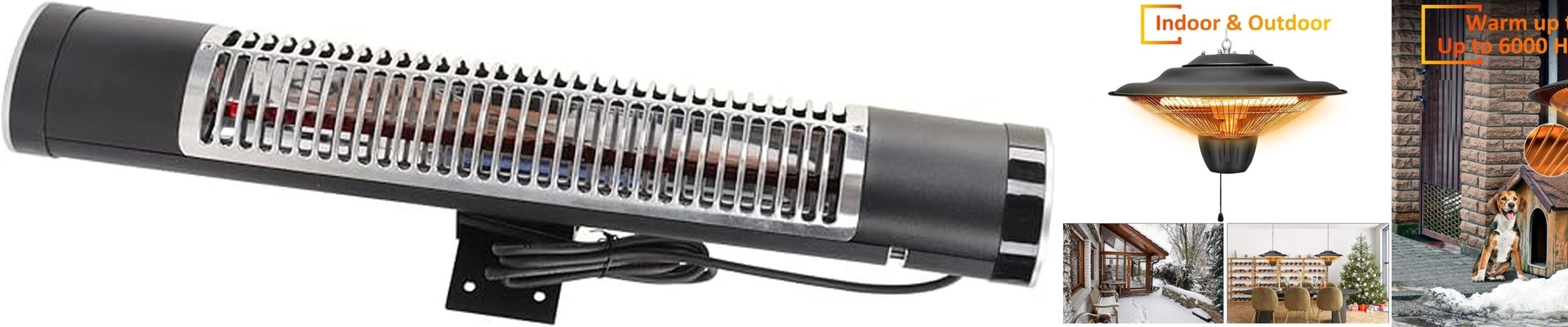
If you’re putting infrared lamps in a bathroom, you’re basically asking a piece of glass to survive a war zone. Think about it. You’ve got a heating element glowing at several hundred degrees, and then—bam—a stray drop of cold water hits it, or a cloud of thick steam rolls in. Standard glass just can’t handle that kind of mood swing. It cracks. Simple as that. The “Thermal Shock” Problem Here is the thing: when cold water hits a scorching lamp, the surface shrinks instantly. In cheap glass, that sudden snap creates a fracture. Then, the whole thing blows out. That’s why we stick with explosion-proof quartz. It’s designed to handle those wild temperature jumps without freaking out. It spreads the stress across the tube instead of letting it snap in one spot. Keeping Things Safe Inside these lamps, you’ve got a tungsten filament wrapped in a quartz shell. We make sure these are stable even when they’re running hot. Now, “explosion-proof” doesn’t mean you can hit it with a hammer. It just means that if the worst happens and the lamp fails, it isn’t going to rain sharp shards of glass down on someone standing in the shower. It’s that final safety net that keeps a bad day from becoming a trip to the ER. A Few Tips on Setup The best part about these lamps is the heat. It’s instant. It clears a foggy mirror in seconds and feels great on your skin. But be careful. These things put out a lot of intense, localized heat. Make sure your housing is actually built for the wattage you’re using. If the fixture is too small, you’ll end up melting your plastic parts or tripping your breakers. And do yourself a favor: use high-temp wiring. You don’t want your insulation melting into a puddle while you’re trying to get warm.