


Stop Worrying About Dust in Your Class 100 Cleanroom
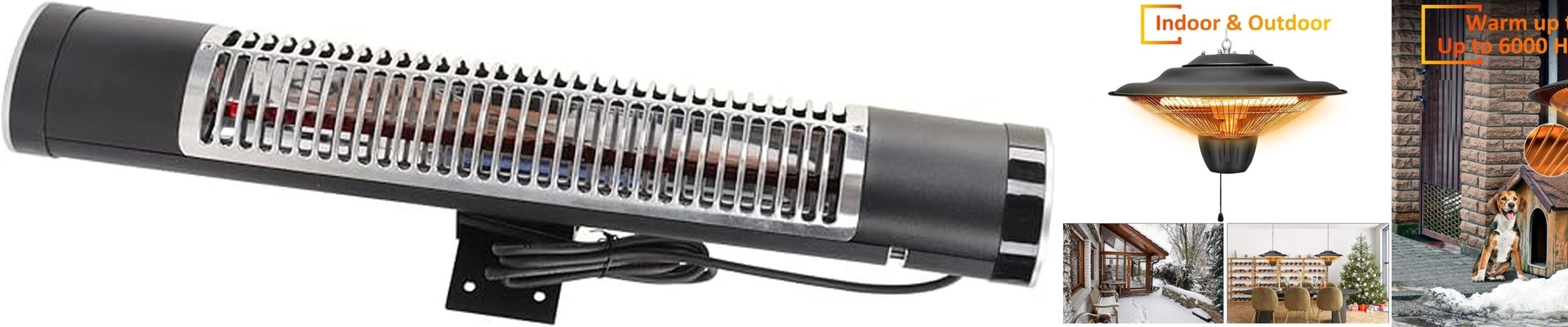
When you’re running a Class 100 environment, one tiny flake of dust is a disaster. It doesn’t matter if it’s a medical implant or a silicon wafer—if something sheds, the whole batch is trash. Most heating elements are a nightmare here. They outgas or peel, and suddenly you’ve got particles floating right where they shouldn’t be. We fixed this by pairing high-purity quartz infrared lamps with gold-coated reflectors. Why gold? Think about standard aluminum reflectors. They oxidize. Over time, they basically start to crumble on a microscopic level, sending a steady stream of dust straight into your production line. Gold doesn’t do that. It’s chemically inert, meaning it just stays put. Plus, gold is incredible at bouncing infrared heat. Instead of wasting energy heating up the lamp housing, the heat goes exactly where it belongs: onto your workpiece. You end up using less power but still hitting those high surface temperatures you need. The quartz factor For the envelope, we use fused quartz. It’s tough. You can hit it with extreme thermal shock and it won’t crack. The seal is completely airtight, too. That means no halogen gases leaking out and no outside junk sneaking into the tube. Since quartz doesn’t warp when things get hot, you don’t have to worry about a structural failure dumping debris into your sterile zone. It just holds steady. The honest trade-offs Look, gold reflectors aren’t cheap. You’re going to pay more upfront than you would for polished steel or aluminum. But you’re paying for the peace of mind that comes with zero oxidation. One thing to keep in mind: these lamps are intense. They concentrate heat fast. If you’re working with materials that have a low melting point, make sure your PID controllers can keep up. If your conveyor speed is off, you can end up with local overheating because the heat density is so high. We built these for semiconductor and pharma lines where “clean” isn’t just a goal—it’s the only way to survive.