
Getting the Heat Right in Biosensor Fabrication
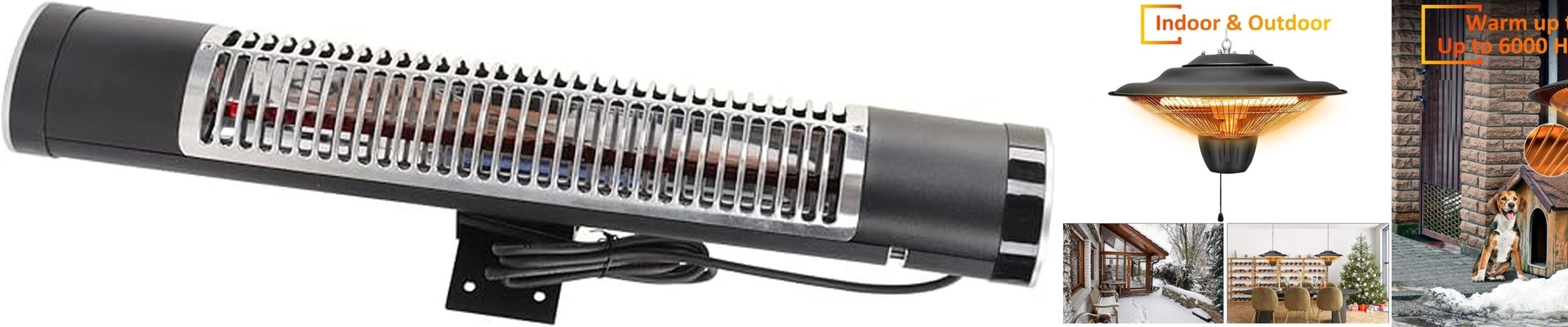
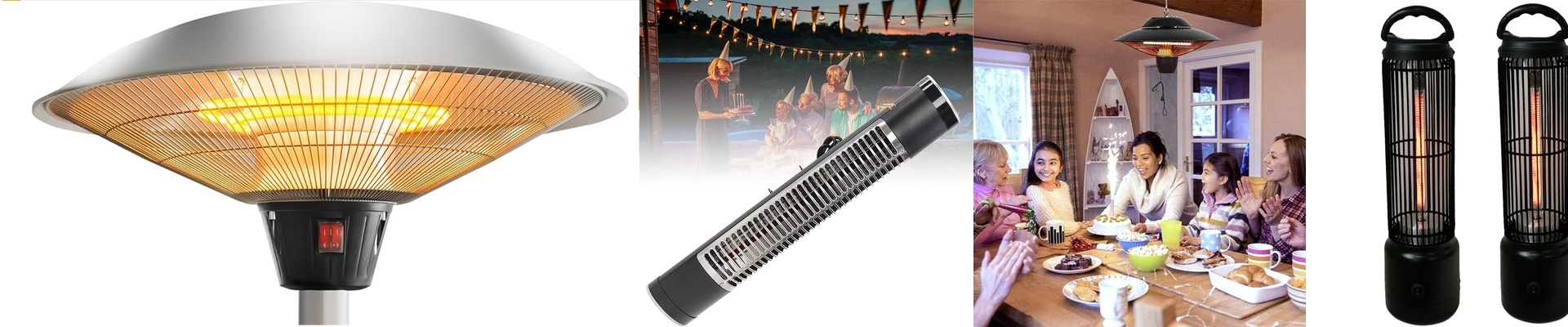
When you’re making biosensors, heat is a tricky beast. You need enough energy to cure the substrates and get those chemical layers active, but if you go overboard, you’ll fry the organic compounds. It’s a delicate balance. That’s why we’ve stopped relying on those old-school convection ovens. They’re slow and clunky. Instead, we’ve moved to infrared (IR) systems. IR hits the target directly. It’s fast. Really fast. And that changes everything for your workflow, especially when you’re trying to push out high volumes of product without wasting space.
The trick to absorbing energy
Here’s the thing: you can’t just blast heat at the surface and hope for the best. We use short-wave and medium-wave IR lamps because they actually penetrate the material. By picking the right wavelength, you can target exactly where the substrate needs the heat. This stops that dreaded “over-bake” where the top is scorched but the middle is raw. Now, keep an eye on your wattage-per-centimeter. High-density arrays save you a ton of floor space, but they run hot. You’ll need a solid cooling manifold to pull that excess heat away, or your process window will start drifting and things will get messy.
Making the gear talk to each other
Modern fabs shouldn’t feel like a guessing game. We hook our IR lamps up to PID controllers and real-time pyrometers so the system basically watches itself. All that temperature data flows straight into your MES. It’s a lifesaver. If a lamp starts to dim or a filament gets weak, the system catches the drop in power and tweaks the output automatically. Plus, you get a data log for every single wafer. When audit time rolls around, you just pull the report and you’re done. No stress.
The real-world trade-offs
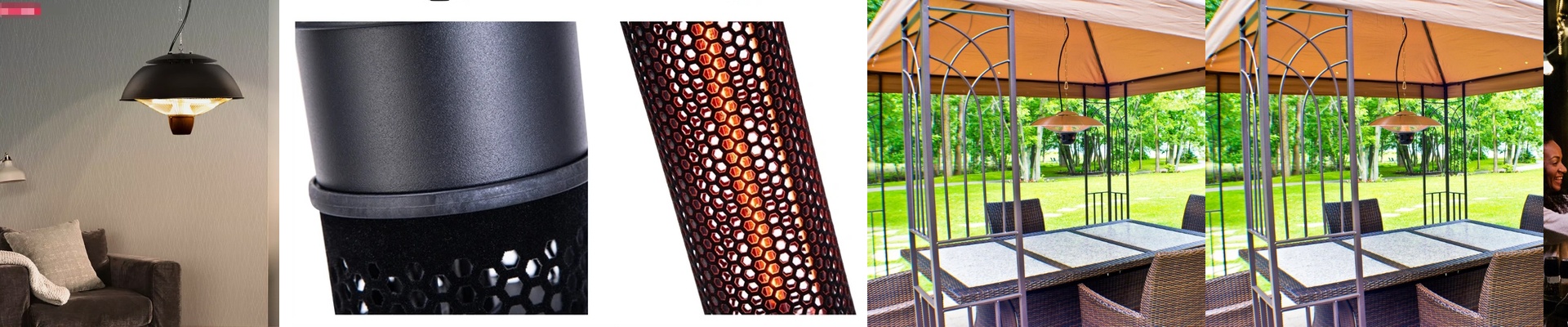
It’s not all magic, though. Switching to high-output IR lamps is going to put a strain on your electricity. Double-check your power blocks to make sure they can handle the surge when you first flip the switch. And remember: IR is all about line-of-sight. If your lamp is off by just a few millimeters, you’ll get cold spots across your sensor array. That leads to inconsistent curing, which means wasted parts. To fix this, I always suggest using adjustable mounting brackets. It lets you fine-tune the focal point during setup so everything hits just right.