Stop Wasting Your Heat
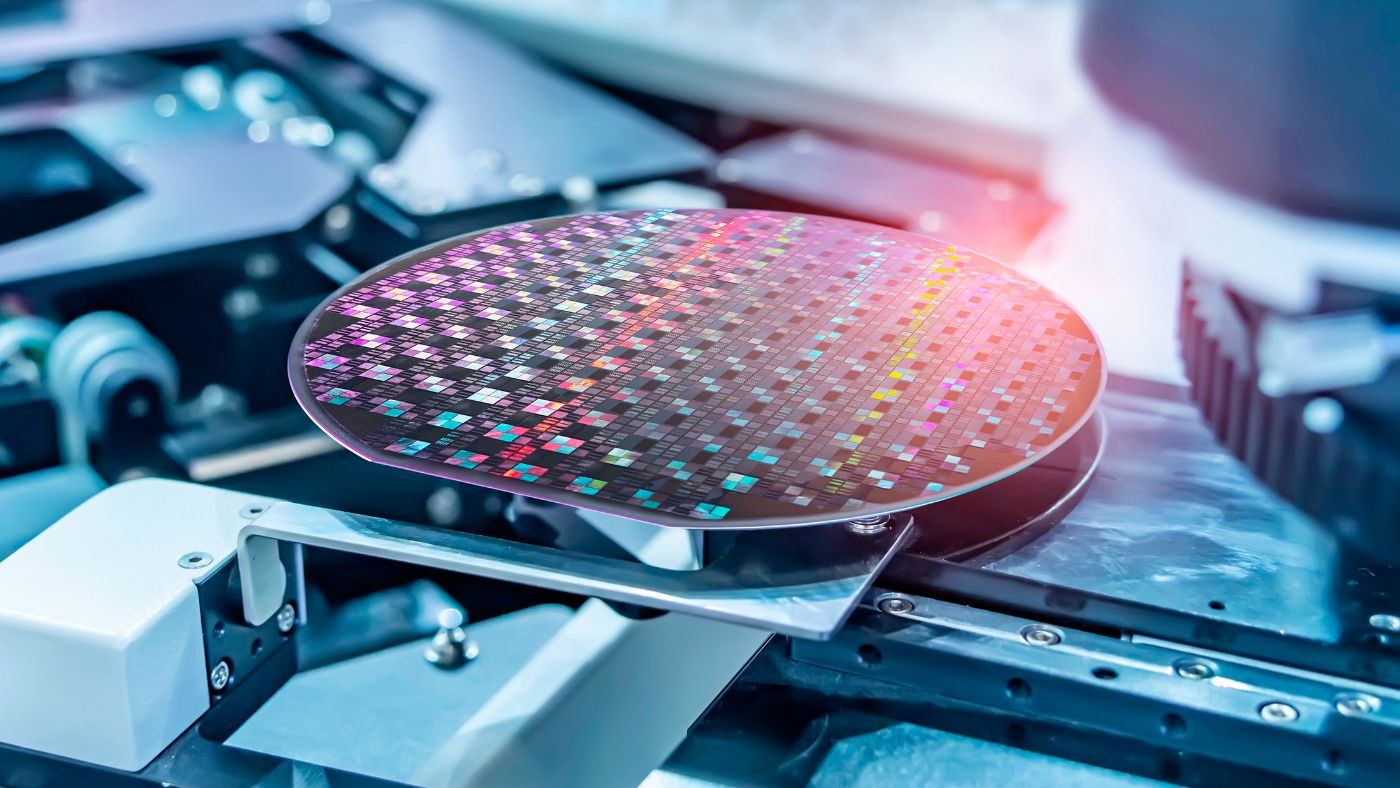
When you’re heating silicon wafers, every single watt matters. Here’s the problem: standard quartz lamps throw energy in every direction. They radiate in a full 360-degree circle, which means you’re basically paying to heat up your machine’s chassis instead of the actual substrate. It’s a waste. To fix this, we use gold-coated reflectors. It’s a simple bit of physics—we’re just flipping the energy around and forcing that IR radiation back down toward the wafer. Getting the focus right Gold is the gold standard here because it reflects infrared wavelengths better than almost anything else. By putting the lamp in a gold-coated focal cavity, we can squeeze that short-wave radiation into a tight, concentrated beam. No more “edge loss.” No more energy leaking out the sides. You get a much higher heat flux per square centimeter, which means you hit your target temperatures way faster. But you have to be careful with the distance. If you mount the lamp too close? You’ll get hot spots on the wafer. Too far? The energy thins out, and you’ll end up cranking the voltage just to keep up. That kills your lamps. We spend a lot of time calibrating the focal point so the peak radiation hits the surface perfectly, giving you a flat, even thermal profile across the whole diameter. The trade-off Now, this isn’t a “set it and forget it” kind of upgrade for every machine. Because these reflectors are so good at concentrating heat, the lamp envelope actually runs hotter than it would in an open system. You can’t ignore your cooling. Whether you use fans or water-jackets, you need to make sure they can handle the extra thermal load on the lamp ends. If your cooling slips? You’ll burn through your filaments in a matter of hours. It’s a steep price to pay for efficiency. Why it’s worth it When it works, it feels effortless. You’re drawing less total power to reach your process temperature, which takes the pressure off your power supplies. The whole heating assembly can be smaller, too. For the engineers on the floor, it just means faster ramp-up times and a lot more confidence in the thermal budget of the wafer. It’s just cleaner.