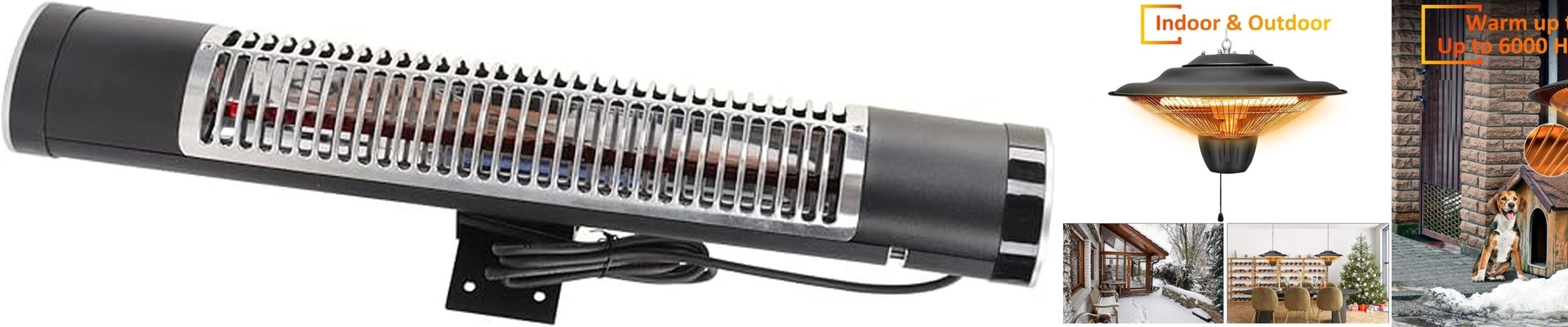

On the fab floor, you know the drill: a wafer comes out of the clean rinse and still carries microliters of water. Hotplates take minutes to pull that moisture off, and every minute adds to cycle time. Worse, uneven heating can introduce thermal stress that shows up as pattern misalignment. The NIR wafer dryer was built to fix that, plain and simple.
What matters, technically
Near infrared energy hits water and photoresist directly, so the surface hits setpoint in seconds without waiting on conduction. Temperature uniformity across the wafer stays within ±0.1°C, and lot-to-lot repeatability holds within ±0.2°C. The heater array uses quartz-halogen emitters tuned to the NIR band, and we keep control tight with closed-loop pyrometry right at the wafer plane. Particle generation stays low, too. The chamber is Class 1–100 compatible, with laminar flow and HEPA-integrated exhaust. Zero-contact clamping keeps the front side clean—no mechanical marks to worry about.
Why it fits the fab
You need a dryer that slips between the spin track and the litho cell without tearing up the layout. This unit keeps a small footprint, talks over standard SECS/GEM, and runs 24/7 with no surprise downtime. Soft bake and hard bake profiles live in the recipe, so when the product changes, operators don’t have to retune the thermal budget. Energy use drops because NIR heats the target, not the whole frame. Photoresist bakes stay within spec, so CD and overlay excursions drop, and rework falls off.
What you need to plan for
The NIR dryer needs its own power feed and a clean coolant loop to keep setpoint stable. It works with most 300 mm track tools, but you still have to verify the mechanical interface and exhaust ducting during install. Expect about a two-week integration window for qualification runs and recipe mapping. Once it’s aligned, the process window is tight—but predictable.