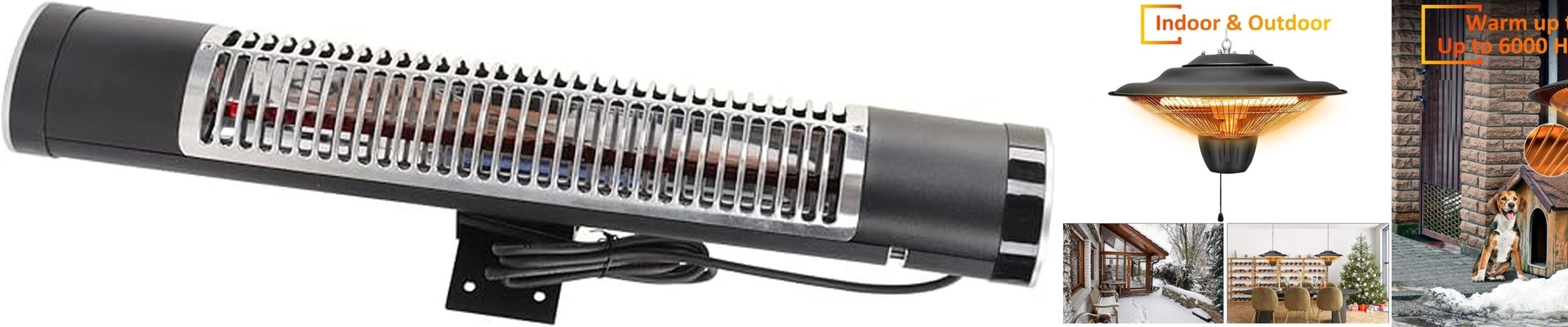

On the packaging floor, a half-degree drift in bake temperature is enough to scrap a whole cassette. Photoresist profiles shift, underfill voids show up, and the rework burns through capacity. Wafer-level CSP runs on a tighter thermal budget than standard packages, so the heater has to be the stable anchor you can count on. What matters under the hood We built this wafer-level CSP heater around repeatable temperature control: ±0.1°C across the hot zone, measured at the wafer plane—not just at the sensor. Fast settling cuts the thermal ramp window, so you shorten cycle time without beating up the profile. It runs in cleanrooms Class 1–100, and the materials and construction keep particle generation at zero—no outgassing, no flaking, no contamination you have to chase after every bake. It’s engineered for 24/7 operation, with zero unplanned downtime across multi-shift runs. Why it holds up in CSP processing In CSP, the heater directly sets soft bake and hard bake, drives polymer curing, and conditions the underfill. With tight uniformity, linewidth control stays in spec across the wafer, and adhesion margins hold lot-to-lot. Cleanroom-compatible packaging and low particle output protect yield in lithography and post-bake inspection. And because the setpoint tracks fast and clean, you cut energy use—less overshoot, less idle stabilization, fewer wasted kilowatt-hours. Practical notes before you spec it in The heater drops into existing CSP tools, but the interface and mechanical envelope have to match your fixture and wafer size. Plan a short qualification run: map temperature across the full substrate, then lock the recipe. One constraint—maximum allowable wafer thickness varies by model—so confirm your wafer stack before you sign off on the purchase.