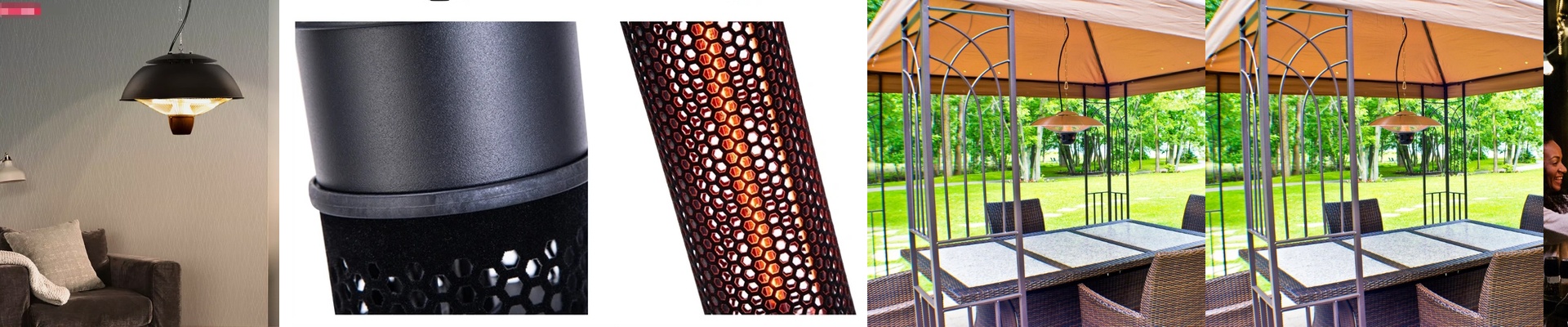
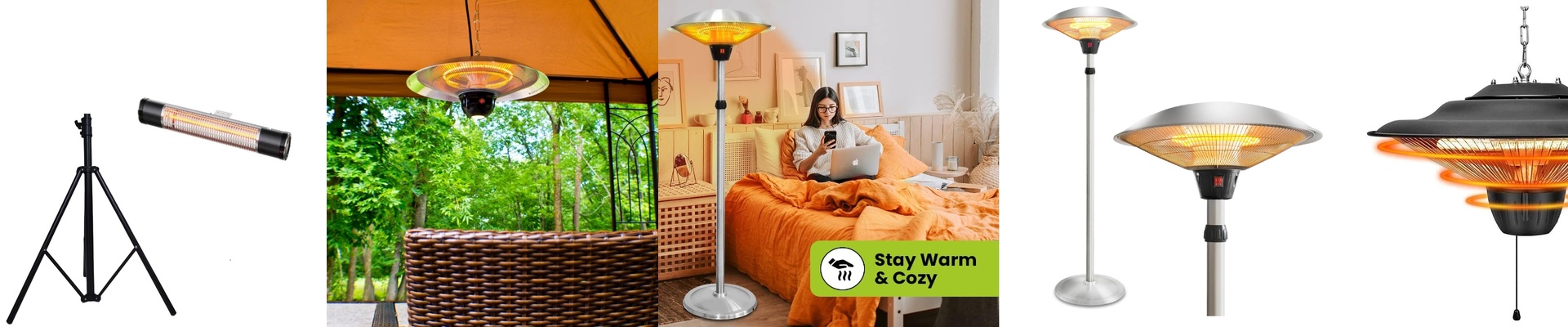
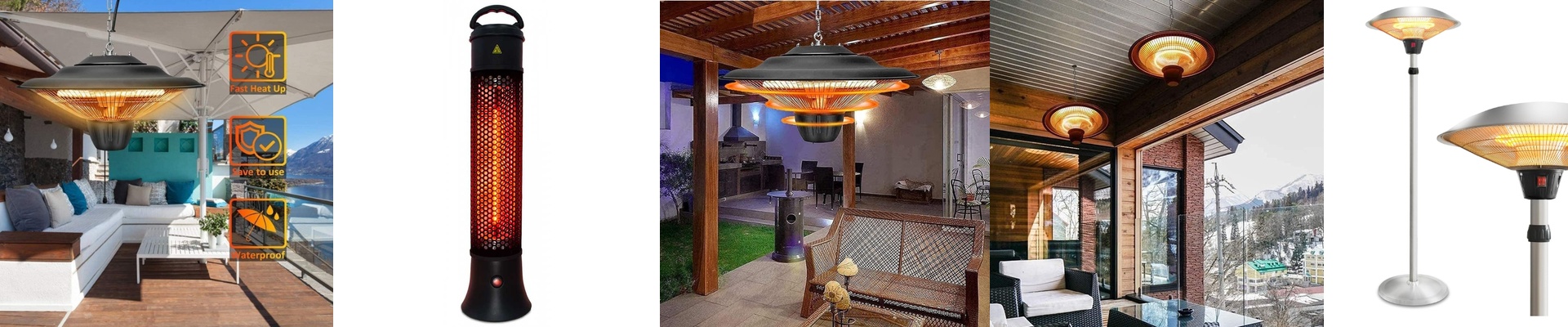
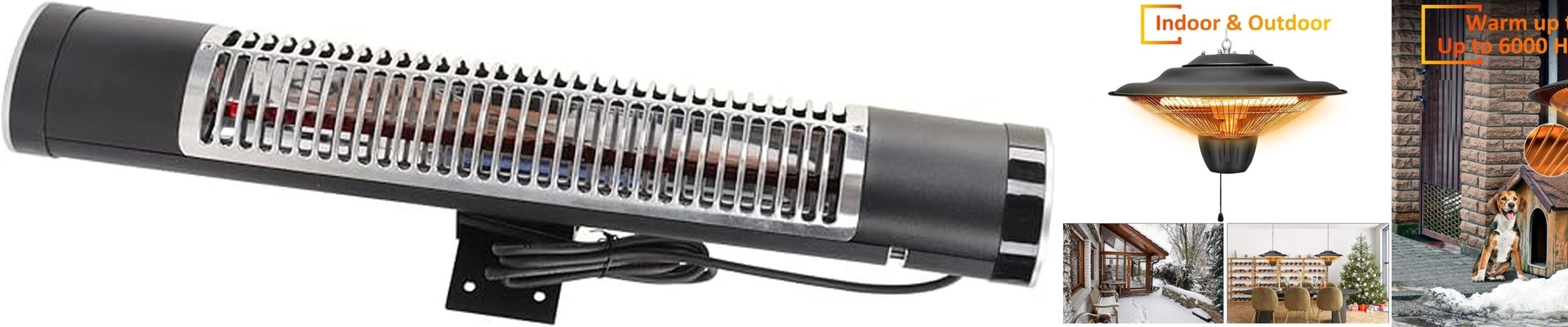
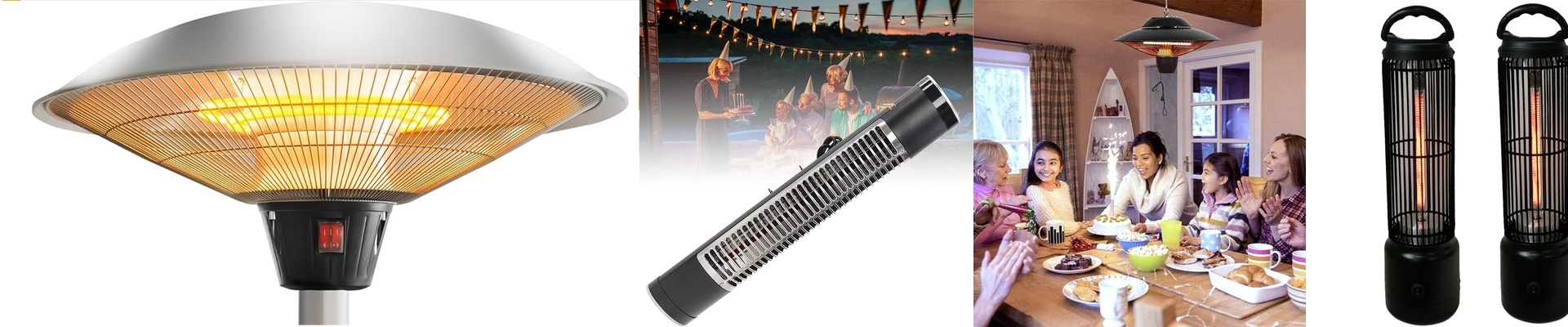
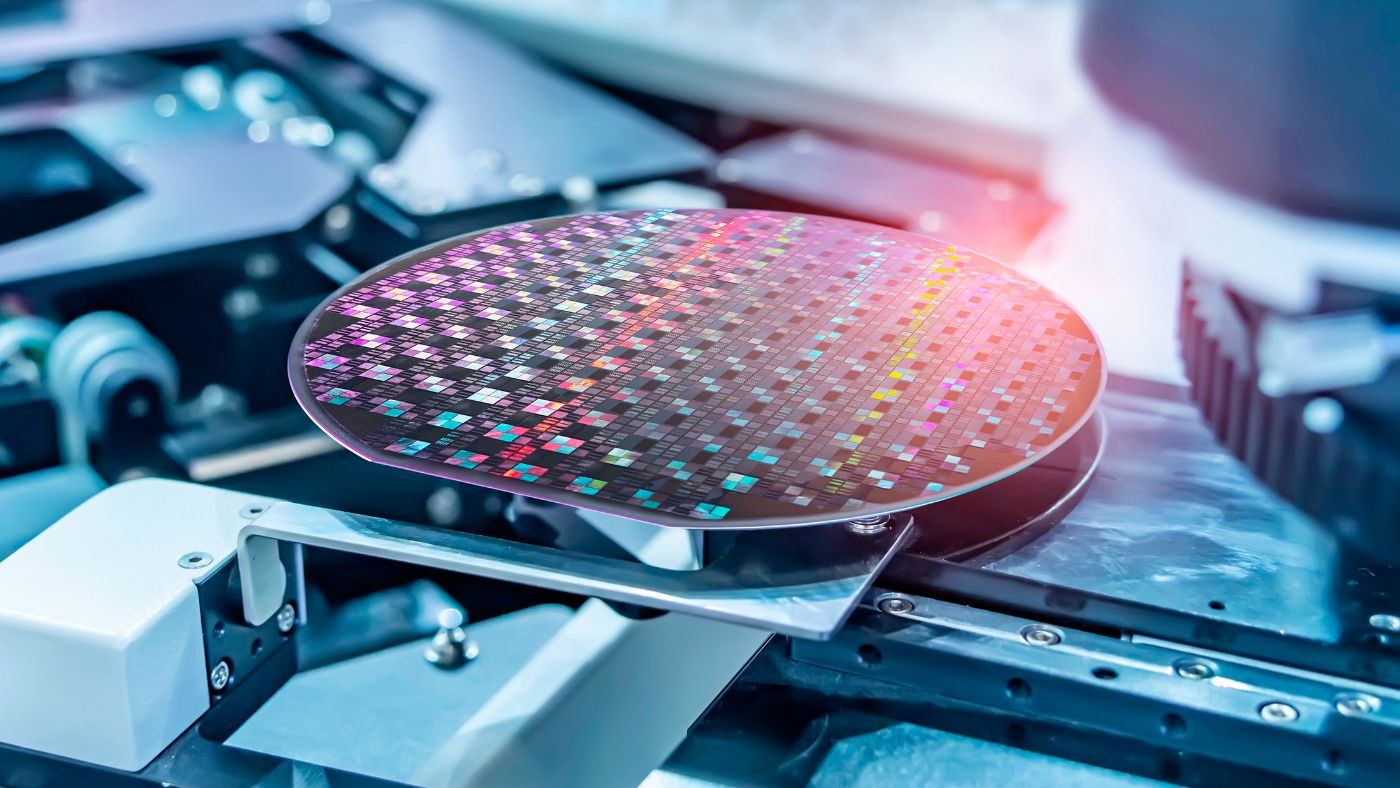
In the lithography cluster, a 300mm wafer doesn’t sit around waiting for a heater to settle. Soft bake and hard bake define the thermal budget, and if the temperature drifts or isn’t uniform, linewidth control falls apart. We built the long-life infrared heating tube to take that variability out of the equation. What matters, technically The tube runs short-wave infrared emitters inside a quartz envelope, so you get fast, direct-coupled heating with sub-second response. Across the bake zone, we hold uniformity within ±0.1°C, which means every wafer gets the same thermal history. Output stays stable over 5,000+ hours, with less than 5% intensity decay. Cleanroom fit is baked into the design: the construction is compatible with Class 1–100 environments, and the assembly produces zero particle emission during operation. Why it holds up in production This tube is built for the process, not just a temperature number. In photoresist bake, it turns setpoint into film profile with repeatability that carries across shifts and lots. You end up with better yield on tight nodes, fewer scrap wafers from thermal excursions, and maintenance you can plan instead of reacting to downtime. Energy use drops, too, because the system heats on demand and holds steady without overshoot. A few practical notes Mounting and alignment are exacting. The tube has to be installed within the tool’s specified clearances—otherwise you risk hot spots and lose uniformity. After each lamp start, expect a brief warm-up before you hit full operating stability. Plan lamp replacement around scheduled preventive maintenance so uptime stays protected. Before commissioning, make sure the voltage and connector interface match your equipment spec.