


Stop Wasting Your Heat: Why Gold Coatings Actually Matter
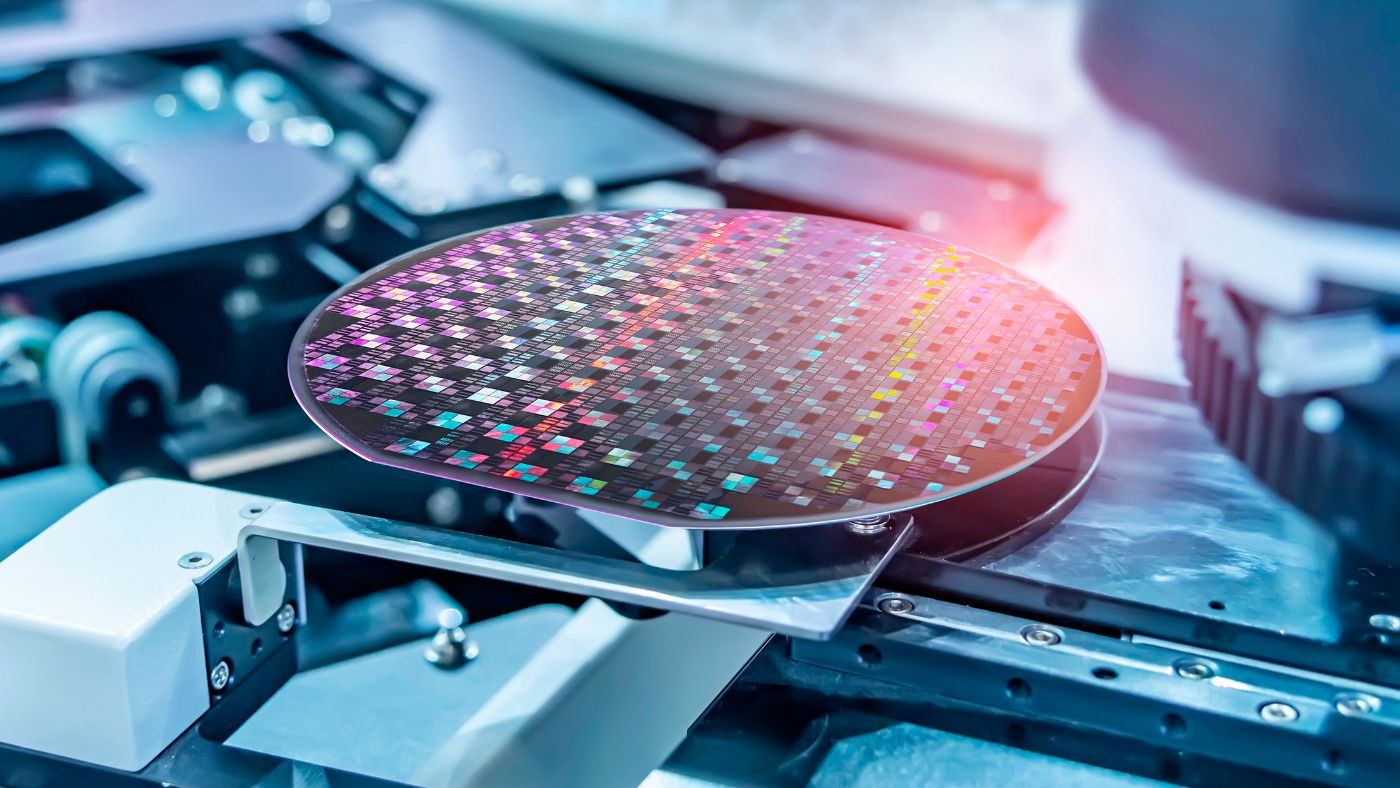
Let’s be honest: wasting wattage is just bad design. When you’re running a heater for semiconductor wafers, a huge chunk of that infrared energy usually just… vanishes. It leaks out or gets soaked up by the housing. It’s a waste of power and a headache for your bottom line. That’s why we use gold-coated reflective surfaces. Instead of letting that energy escape, we bounce it right back onto the wafer. The trick is in the physics. Most people use aluminum reflectors, but those oxidize. They get dull. They lose their punch. Gold is a different story. It’s incredible at reflecting infrared light—we’re talking over 98%. Basically, almost every single photon the heating element spits out gets pointed exactly where it needs to go. You get a much tighter focus. This is great because you can hit your target temperature faster. You don’t have to crank the voltage to the max, which means you aren’t risking a burnout every time you power up. A few things to watch out for. To make this work, we pair the reflectors with high-temperature Teflon-insulated wiring. You need this because standard PVC would literally melt in seconds near the heat source. But here’s the catch:**be careful how you bend those wires.**If you kink the Teflon jacket during install, you’ve just created a weak spot. Under high thermal stress, that’s where your short circuit is going to happen. Handle them with care. Getting the heat just right. Precision isn’t just about raw power; it’s about balance. Because the gold reflection is so consistent, you don’t get those annoying “cold spots” that plague old, degraded reflectors. The thermal gradient across the wafer stays smooth. Just one warning: gold is soft. If your maintenance team goes in there with abrasive scrubbing pads, they’ll strip the gold layer right off. Once that happens, your efficiency tanks. Stick to approved solvents for cleaning. Keep that mirror finish clean, and the system will keep humming.