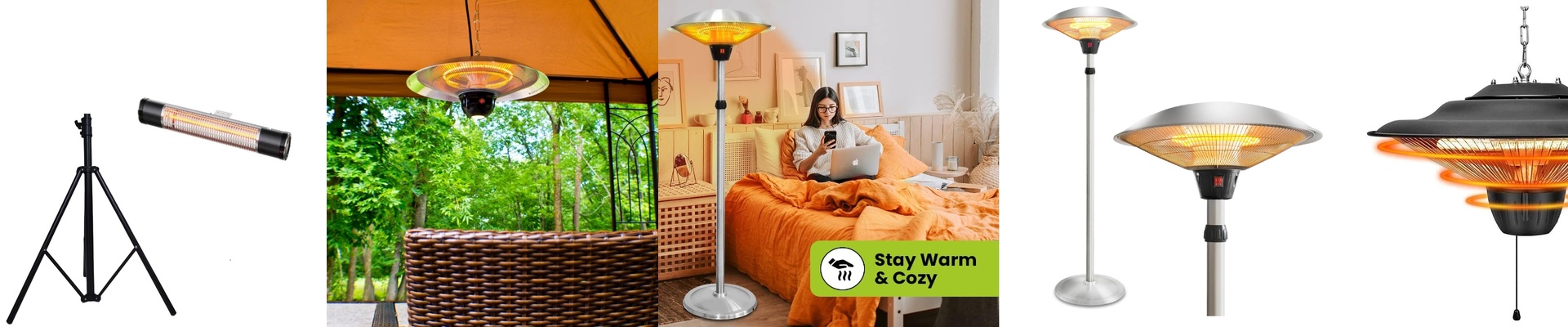
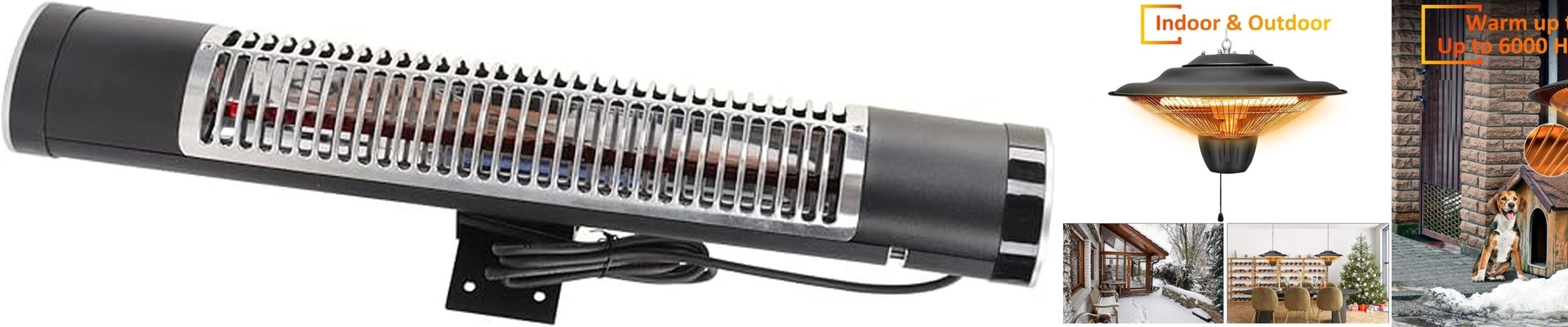
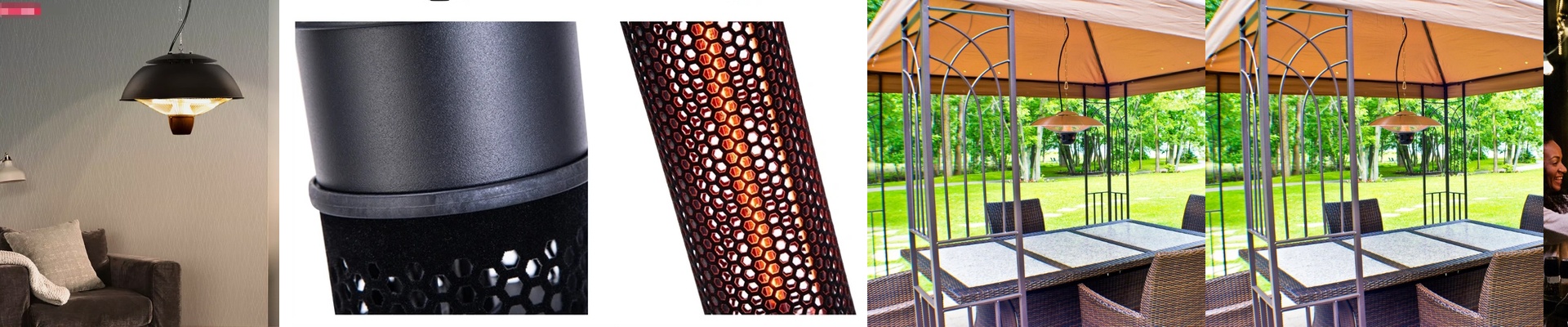
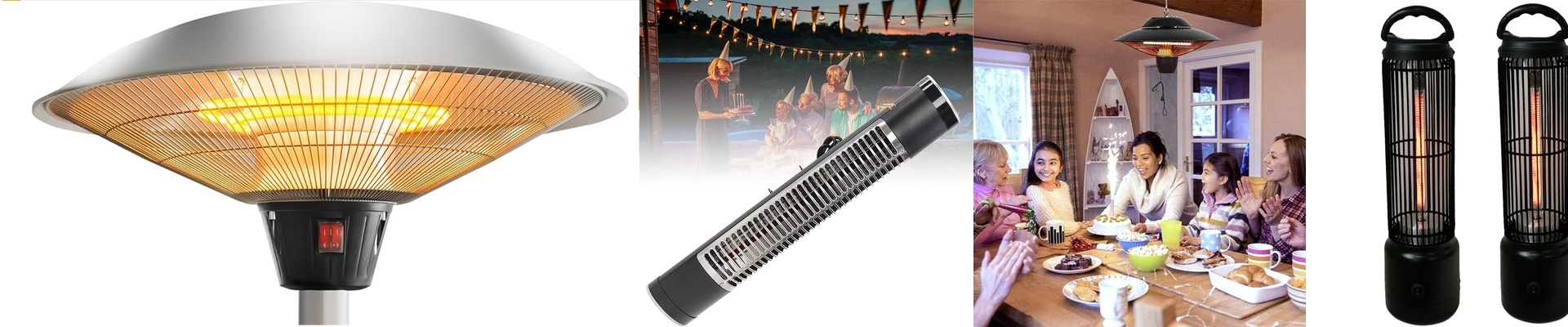
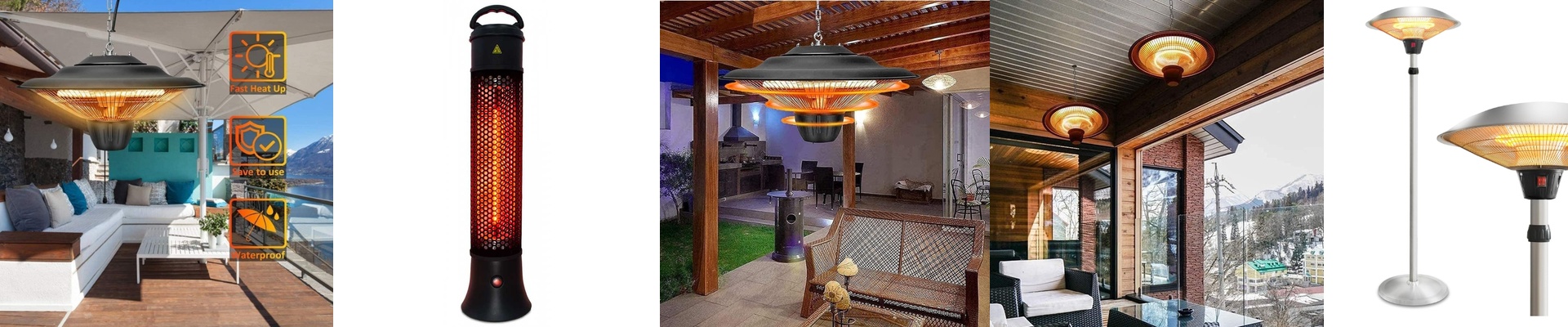
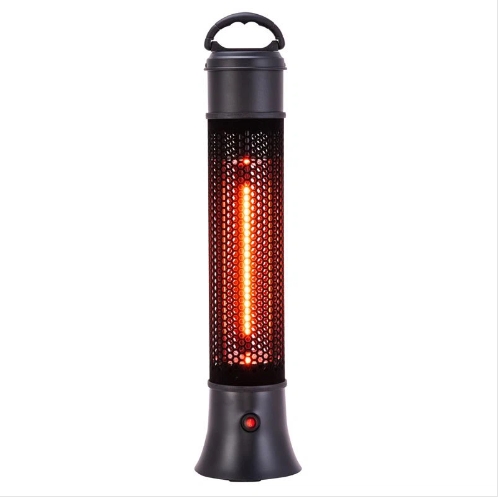
Keeping Your Bathroom Infrared Heaters from Becoming a Hazard
Let’s be honest: bathrooms are a nightmare for electronics. Between the steam from a hot shower and the constant humidity, you’re basically inviting water to find the one tiny gap in your wiring. If moisture gets inside the housing, it creates a path for electricity to go where it shouldn’t. That’s how you end up with a short circuit—or worse. To stop that, we focus on one thing: building a wall between the electricity and the damp air.
Keeping the Water Out
We don’t just “hope” the water stays out. We use IP-rated enclosures (usually IP44 or better) to lock the internal wiring away from the steam. The real trick is the seal where the lamp meets the housing. We use high-temperature silicone gaskets here. Why? Because regular rubber would just melt under the heat of the lamp. These silicone seals stay tough and tight, blocking out the steam even when the heater is cranking. Then there’s the wiring. We use double-insulated cables with Teflon or heat-resistant PVC jackets. If the insulation cracks, it’s game over—moisture seeps in, and you’ve got a leak. These materials keep everything tight and intact.
The Safety Net
You can’t just trust a plastic box to do all the heavy lifting. Every single ceiling mount needs its own dedicated earth ground. We bond the metal chassis straight to the building’s grounding system. That way, if any stray current escapes, it trips the breaker immediately instead of waiting for someone to touch the fixture. But here’s the real lifesaver: the GFCI or RCD (rated at 30mA). Think of this as your ultimate fail-safe. If a seal fails and water hits a live terminal, the power cuts in milliseconds. It happens so fast you won’t even know it happened—which is exactly how it should be.
The Balancing Act
Here’s the tricky part. You want a tight seal for safety, but seals trap heat. If you seal a unit too tightly to block the humidity, the internal electronics can cook themselves. It’s a bit of a tug-of-war. To fix this, we use heat sinks that pull the heat away and push it through the outer casing. Sure, you lose a tiny bit of energy efficiency, but it’s a trade-off we’re happy to make. It keeps the components cool and, more importantly, keeps you safe.