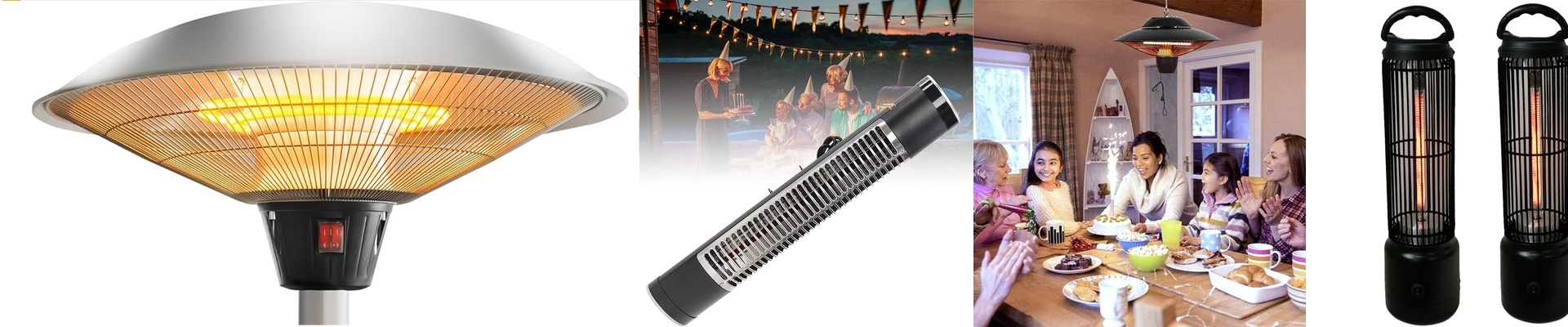
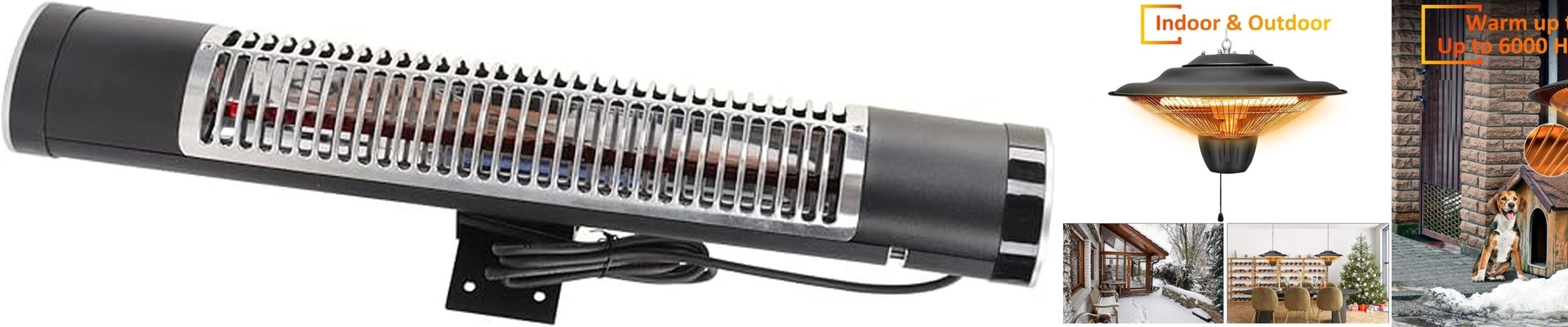
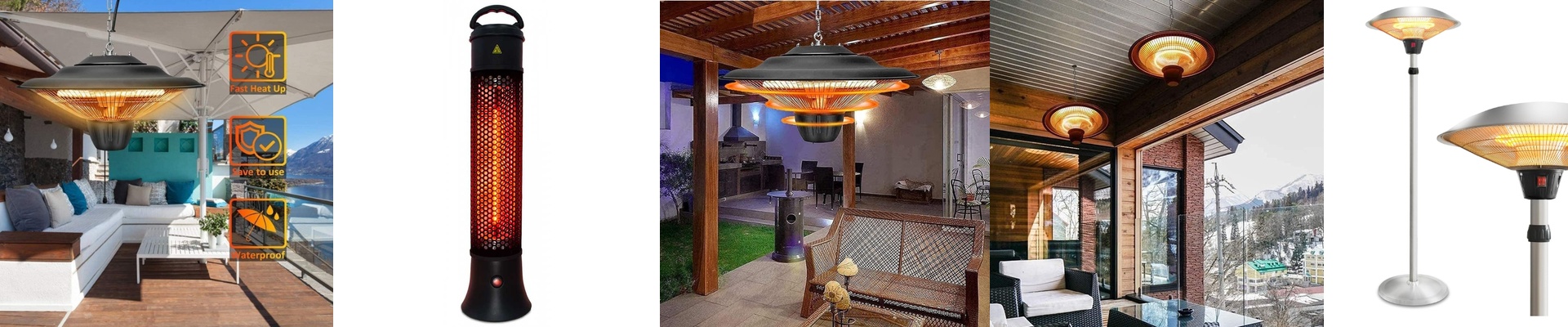

You know the feeling—step up to an infrared heater and the warmth hits you fast. But sometimes it hits too hard, that sharp bite on your skin. That’s usually the short-wave energy doing too much of the work. We built our infrared heater to smooth that out, so you get deep, steady radiant heat without the harsh sting.
What actually matters under the hood
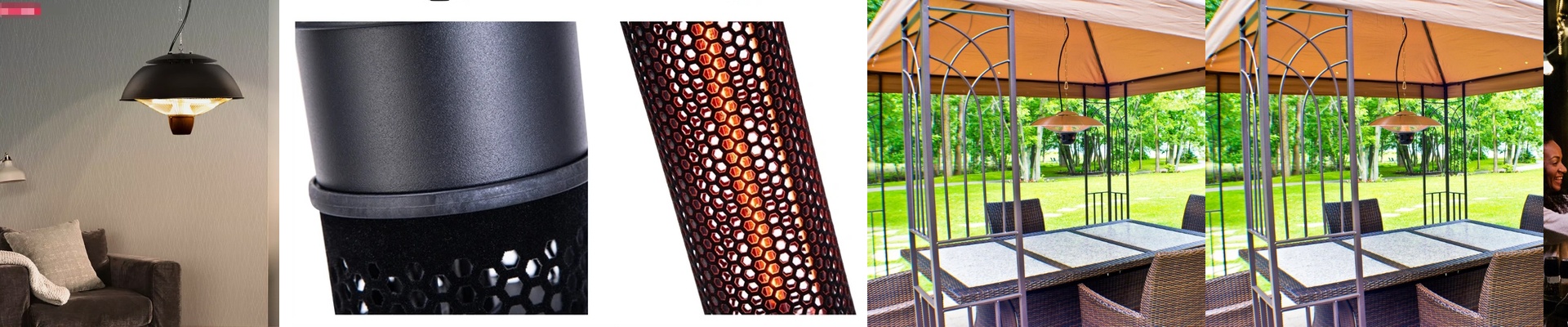
We tuned the infrared spectrum for comfort and ran it through a high-purity quartz tube to keep output stable. The element runs with a balanced profile that favors even emission, so the beam doesn’t stack up in a hot spot. In practice, that means you feel a gentle, penetrating warmth that builds quickly—no sudden spike that makes you back off. And we back that up with a tough housing and a protective front grille, because comfort only counts if the unit is safe and repeatable.
Why this design fits real-life spots
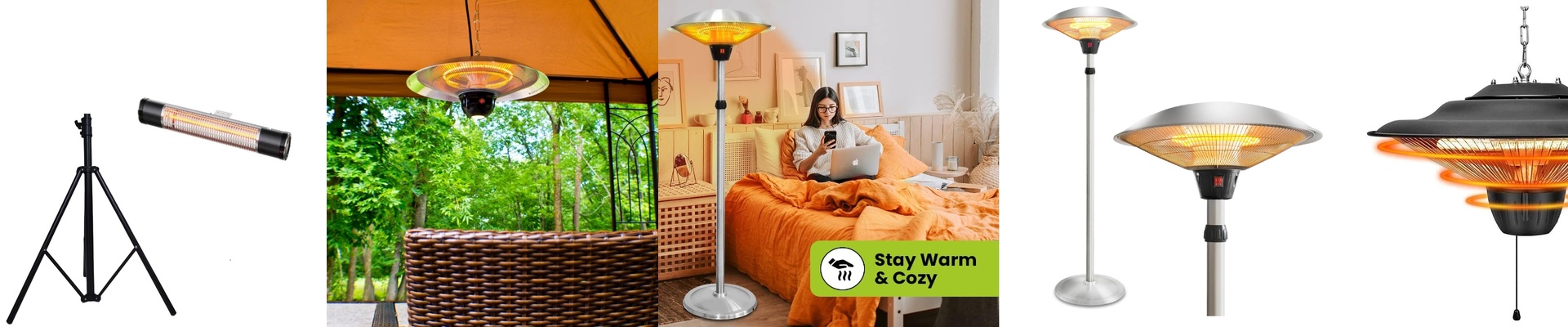
This heater was shaped for places where you actually sit a while—outdoor seating, a chilly sunroom, a workshop corner—where comfort matters as much as the temperature reading. Radiant warmth reaches you directly, so you don’t have to warm the whole air to feel cozy. That direct delivery means you feel it faster when you walk in, and it keeps energy focused where you need it: on you. If you’re sensitive to that “hot on contact” feeling, the tuned spectrum takes the edge off, so you can sit closer longer—reading, talking, or just unwinding.
A few practical notes from the field
Infrared heaters do their best work when they face the seating area with a clear line of sight. Keep clearances from curtains, furniture, and anything combustible, and run it on a stable, level surface. Most models are electric and plug into a standard outlet, but they still pull serious current—skip the extension cord when you can. One trade-off you should expect: radiant heat warms people and objects directly, so the surrounding air can stay cooler than what you’d get from a convection heater. That’s normal, and it’s exactly why placement matters.