

Step into a bathroom on a cold morning and you feel it right away—the air bites. Flip on an infrared heater, and the warmth hits fast, direct and comforting. But that comfort only holds if the heater keeps working, month after month, in damp, steamy conditions that quietly chew through components. So before any outdoor radiant heater leaves the shop, we put it through serious湿热 aging tests.
What matters under the hood
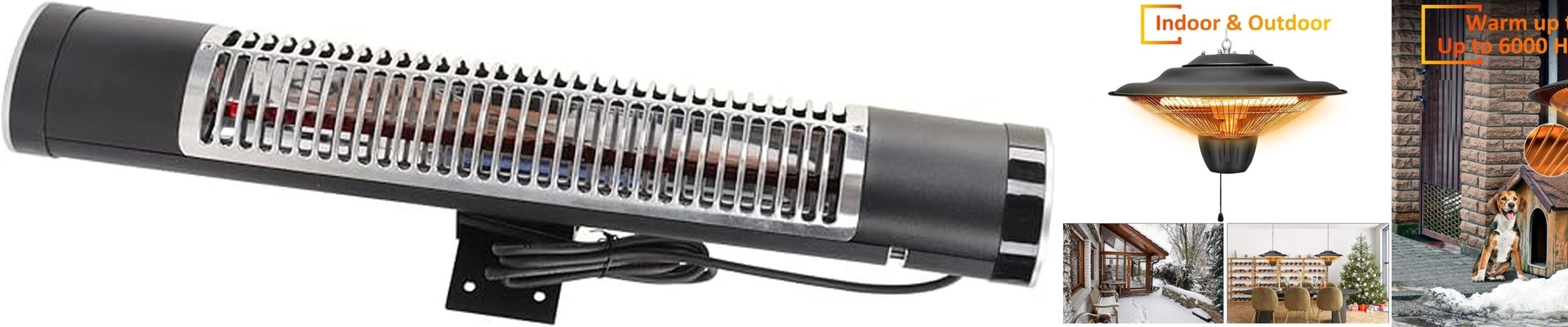
Our outdoor radiant heaters lean on a high-efficiency quartz element to deliver infrared warmth. It heats people and objects directly instead of trying to warm the air. The payoff is instant heat—no lag—and because the heat is directional, it stays focused where you need it. We build the core to live with repeated on/off cycles, then seal the critical joints against moisture ingress.**We track units through 5,000+ hours and keep output drop under 5%.**That’s the kind of consistency you want when the weather turns.
Why this testing makes sense in the real world
Bathrooms and covered outdoor spaces are where humidity and temperature swings do their damage quietly. Condensation works its way into seams, and thermal cycling loosens connections over time. By aging each unit in controlled steam and heat, we force the weak points to show themselves—terminal corrosion, sealant fatigue, element stability—then fix them before the unit ships. For you, that translates to fewer surprise failures, longer service life, and a heater that still feels solid after months of wet weather.
What you need to know for clean install and steady performance
Mount the heater where airflow is steady and keep it away from direct water spray. Run it on a dedicated circuit. Most models work on standard voltage, but double-check your wiring and plug type before you start. And here’s the reality check: even with testing that targets wet conditions, no electric heater is fully waterproof. Think of these as splash-resistant, and don’t expose them to driving rain. Put it in the right spot and it delivers steady, quiet warmth—fast enough to make the space usable again.