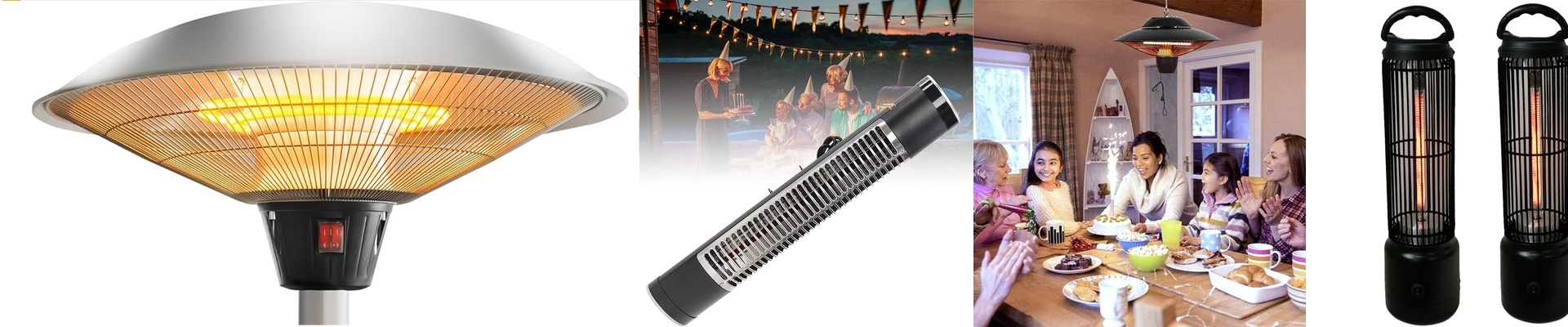

On the line, fuel cell catalyst layers are thin, conductive, and thermally touchy. One hot spot or a sluggish ramp, and the catalyst morphology shifts. Contact resistance climbs, and the stack performance is toast. You need a drying step that behaves like a lithography bake: repeatable, uniform, and clean.
What matters, technically
We built the catalyst drying lamp around near-infrared (NIR) radiation, tuned to the absorption profile of the catalyst ink and binder. The result is rapid, volumetric heating without overshooting the substrate. Wafer-level temperature uniformity stays within ±0.1°C across the active zone, and setpoint repeatability is ±0.5°C from batch to batch. The emitter uses quartz-halogen geometry with tight filament control, holding stable output after 5,000+ hours with less than 5% drop. The system is rated for cleanroom Class 1–100, and every hot zone is engineered to generate zero particle events at the process interface.
Why it works in practice
In fuel cell manufacturing, the catalyst sits on thin substrates and metal bipolar plates, where thermal mass varies and warpage is a real risk. NIR energy cuts cycle time by heating the catalyst directly, not the fixture. That translates to faster drying, a lower thermal budget, and tighter control over pore structure and catalyst distribution. The same precision that keeps photoresist honest during soft bake and hard bake now protects catalyst activity: predictable ramp profiles, controlled soak times, and consistent line-to-line matching. Energy use drops because the lamp heats only the target area, and uptime improves because the driver supports 24/7 operation with controlled warm-up and cool-down behavior.
The details you’ll run into
NIR drying is line-of-sight, so fixture geometry and dwell consistency matter. Map your shadowing and make sure the substrate path keeps a repeatable distance to the emitter. Lamp output is sensitive to voltage stability; you’ll get the best uniformity when the supply is regulated within ±1%. Installation is straightforward, but integration has to account for the thermal load on nearby components and the required exhaust path. Specify the connector and footprint to match your platform so swap-outs stay inside the planned maintenance window.